Sleep apnoea is a sleep-related breathing disorder that causes repeated pauses in breathing during sleep. These interruptions can reduce oxygen levels, disrupt rest, and place strain on the heart and brain over time. While lifestyle changes and non-surgical therapies are often recommended first; some patients may require sleep apnoea surgery when symptoms persist or anatomical factors contribute significantly to airway obstruction.
At our ENT clinic, we often meet patients who are uncertain about when surgery is considered, what procedures are available, and how to decide on the most suitable treatment approach. This article explains the common surgical options available in Singapore, how they work, and which patients may benefit from them.
Understanding When Sleep Apnoea Surgery Is Considered
Not every patient with obstructive sleep apnoea requires surgery. Treatment typically starts with non-invasive options such as weight management, positional therapy, oral appliances, or continuous positive airway pressure (CPAP) therapy. However, sleep apnoea surgery may be recommended when these approaches are ineffective or poorly tolerated, or when structural issues are identified during evaluation.
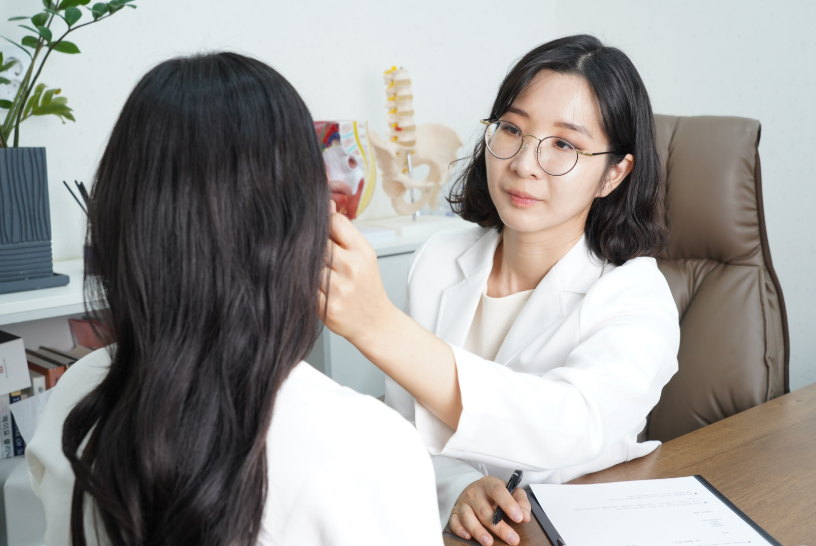
At our clinic, assessment usually includes a detailed sleep history, examination of the nose, throat, and jaw, and sleep studies. For patients seeking care for snoring and sleep apnoea, we may also refer to our page on sleep apnoea surgery to help explain the condition and treatment pathways in more detail.
Common Sleep Apnoea Surgery Options in Singapore
Uvulopalatopharyngoplasty (UPPP)
UPPP is one of the more established surgical procedures for obstructive sleep apnoea. It involves removing or reshaping excess tissue from the soft palate, uvula, and surrounding throat area to widen the airway.
This procedure may be suitable for patients whose airway obstruction is primarily located at the level of the soft palate. While it can reduce snoring and breathing interruptions, outcomes vary depending on individual anatomy and the severity of sleep apnoea.
Nasal Surgery for Airway Obstruction
Nasal conditions such as a deviated septum or enlarged turbinates can worsen sleep apnoea by increasing airflow resistance. Nasal surgery aims to improve airflow through the nose, which may enhance sleep quality and improve tolerance to other treatments like CPAP.
Nasal surgery alone may not fully resolve obstructive sleep apnoea, but it is often part of a broader treatment plan in clinics treating sleep apnoea in Singapore.
Tongue Base Surgery
In some patients, the tongue collapses backward during sleep and blocks the airway. Tongue base reduction or repositioning procedures aim to reduce this obstruction.
These surgeries are usually considered after careful assessment and are more commonly recommended when imaging or sleep endoscopy shows tongue-related airway collapse.
Maxillomandibular Advancement (MMA)
MMA surgery involves repositioning the upper and lower jaws forward to enlarge the airway space. This procedure is more extensive and typically reserved for patients with moderate to severe sleep apnoea who have not responded to other treatments.
While recovery may take longer, MMA can offer significant airway improvement in selected patients under sleep apnoea treatments in Singapore.
Hypoglossal Nerve Stimulation (Selected Patients)
This treatment involves an implanted device that stimulates the nerve controlling tongue movement during sleep, helping keep the airway open. It is not suitable for all patients and requires strict eligibility criteria, including body mass index and sleep study findings.
Patients considering this option should consult a sleep specialist in Singapore to determine suitability.
Choosing the Right Surgical Approach
There is no single surgical solution that works for every patient. The choice of procedure depends on:
- The location of airway obstruction
- Severity of sleep apnoea
- Overall health and body mass index
- Response to prior treatments
At Aglow ENT Centre, we focus on identifying the source of obstruction and recommending treatment options that align with each patient’s condition and expectations.
Recovery and Expected Outcomes
Recovery times vary depending on the type of surgery performed. Some procedures involve mild discomfort and short recovery periods, while others may require hospitalisation and longer healing times.
It is important to note that sleep apnoea surgery may reduce symptoms but does not always eliminate sleep apnoea entirely. Follow-up sleep studies are often recommended to assess treatment effectiveness, and some patients may still require adjunct therapies.
Summary: Key Points to Know Before Considering Surgery
Sleep apnoea surgery may be considered when non-surgical treatments are not suitable or effective.
- Multiple surgical options are available depending on airway anatomy
- Not all patients require or benefit from surgery
- A detailed evaluation is necessary to identify obstruction sites
- Recovery and outcomes vary by procedure
- Ongoing follow-up remains important after treatment
Frequently Asked Questions About Sleep Apnoea Surgery in Singapore
What is sleep apnoea, and when is surgery recommended?
Sleep apnoea is a sleep disorder where breathing repeatedly stops and starts during sleep due to airway obstruction. Surgery is usually considered when moderate to severe obstructive sleep apnoea does not respond well to non-surgical treatments such as CPAP therapy, oral appliances, or lifestyle changes. An ENT specialist will evaluate the airway structure to determine whether sleep apnoea surgery is an appropriate option.
What types of sleep apnoea surgery are available in Singapore?
Several surgical options for sleep apnoea are available in Singapore, depending on the cause and location of airway obstruction. These may include:
- Uvulopalatopharyngoplasty (UPPP): Removes excess tissue from the throat to widen the airway
- Septoplasty or turbinate reduction: Corrects nasal blockages that contribute to breathing problems
- Tongue base surgery: Reduces obstruction caused by the tongue during sleep
- Maxillomandibular advancement (MMA): Repositions the jaw to enlarge the airway
An ENT specialist will recommend the most suitable surgical approach based on individual anatomy and severity of the condition.
Is sleep apnoea surgery effective?
The effectiveness of sleep apnoea surgery depends on the patient’s airway anatomy, the severity of the condition, and the type of procedure performed. In many cases, surgery can significantly reduce airway obstruction, improve sleep quality, and reduce symptoms such as loud snoring and daytime fatigue. However, some patients may still require complementary treatments like CPAP therapy after surgery.
What is the recovery time after sleep apnoea surgery?
Recovery time varies depending on the type of sleep apnoea surgery performed. Minimally invasive procedures may require only a few days of recovery, while more complex surgeries may require several weeks for full healing. Patients may experience temporary throat discomfort, swelling, or mild difficulty swallowing during the recovery period.
Are there risks associated with sleep apnoea surgery?
Like any surgical procedure, sleep apnoea surgery carries some potential risks. These may include bleeding, infection, temporary swallowing discomfort, or voice changes. However, these risks are generally uncommon when the procedure is performed by an experienced ENT specialist. A detailed consultation helps patients understand the benefits and potential risks before proceeding.
How is sleep apnoea diagnosed before surgery is considered?
Before recommending sleep apnoea surgery, specialists typically perform diagnostic tests such as sleep studies (polysomnography) to confirm the presence and severity of sleep apnoea. Additional assessments may include nasal endoscopy or imaging to identify the exact location of airway obstruction.
How can Aglow ENT Centre help with sleep apnoea treatment?
Aglow ENT Centre provides comprehensive evaluation and treatment for patients with sleep apnoea in Singapore. The clinic performs detailed airway assessments and diagnostic tests to determine whether surgery or non-surgical treatments are most appropriate. Personalised treatment plans are developed to address each patient’s specific condition.
When should I consult Aglow ENT Centre about sleep apnoea surgery?
If you experience symptoms such as loud snoring, frequent nighttime awakenings, choking during sleep, or excessive daytime fatigue, it may be advisable to consult an ENT specialist. Patients whose sleep apnoea symptoms persist despite CPAP therapy or other treatments may benefit from discussing sleep apnoea surgery options in Singapore with our ENT specialist at Aglow ENT Centre.
Taking the Next Step in Your Sleep Health
If persistent snoring, daytime fatigue, or diagnosed sleep apnoea is affecting your quality of life, a consultation with our ENT team may help clarify your options. At Aglow ENT Centre, our specialist, Dr Ker Liang, provides assessment and guidance on both non-surgical and surgical treatment pathways for sleep apnoea.
To learn more or arrange a consultation, you may contact Aglow ENT Centre to discuss whether surgical treatment is appropriate for your condition. Early evaluation can help reduce long-term health risks associated with untreated sleep apnoea.