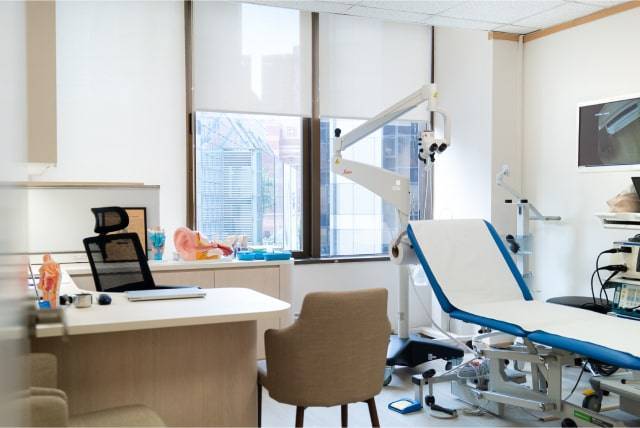
Tonsil stones, also known as tonsilloliths, are a common yet often overlooked cause of persistent bad breath and throat discomfort. They form when debris such as food particles, dead cells, and bacteria become trapped in the crevices of the tonsils and gradually harden. While small tonsil stones may not cause noticeable symptoms, larger or recurring stones can significantly affect daily comfort and oral hygiene.
In our practice, we often see patients who are surprised to learn that their ongoing throat issues are linked to tonsil stones. Understanding how they form, what symptoms to watch for, and when to seek tonsillitis treatment in Singapore can help patients make informed decisions about their care.
What Are Tonsil Stones, and Why Do They Form?
Tonsil stones develop in the tonsillar crypts—small folds or pockets on the surface of the tonsils. These crypts can trap debris, especially in individuals who have frequent throat infections or chronic tonsil inflammation. Over time, bacteria feed on the trapped material, leading to calcification and stone formation.
Common contributing factors include:
- Recurrent tonsillitis
- Poor oral hygiene
- Chronic post-nasal drip
- Enlarged tonsillar crypts
Patients who already require tonsillitis treatment in Singapore may be more prone to tonsil stones, as repeated inflammation can deepen these crypts and make debris accumulation more likely. In such cases, an assessment may include discussion of medical management or, when appropriate, surgical options.
Common Symptoms of Tonsil Stones
Tonsil stones vary in size, and symptoms depend largely on how large or deeply embedded they are. Some patients are completely unaware of them, while others experience persistent discomfort.
Typical symptoms include:
- Ongoing bad breath that does not improve with brushing
- A sensation of something stuck in the throat
- Sore throat without clear infection
- White or yellowish lumps visible on the tonsils
- Ear discomfort due to shared nerve pathways
If these symptoms are recurrent, especially alongside frequent throat infections, a structured approach to tonsillitis treatment in Singapore may be recommended to address both the stones and the underlying cause.
Non-Surgical Management and Tonsil Stone Removal
For small or occasional tonsil stones, conservative measures are often sufficient. These options focus on reducing bacterial load and preventing debris buildup.
Non-surgical approaches may include:
- Regular gargling with saltwater
- Improved oral hygiene, including tongue cleaning
- Managing nasal congestion or post-nasal drip
- Careful manual tonsil stone removal in selected cases
These measures can provide relief, but they may not prevent recurrence in patients with chronic tonsil issues. When stones return frequently or are associated with repeated infections, further evaluation is needed.
When Tonsillitis Treatment in Singapore Includes Surgery
Surgery is usually considered when tonsil stones are recurrent, cause significant symptoms, or occur alongside chronic tonsillitis. In these situations, medical treatment alone may not provide lasting relief.
One option discussed with suitable patients is tonsil removal for tonsil stones, which involves removing the tonsils entirely to eliminate the crypts where stones form. This is typically recommended when:
- Tonsil stones recur despite conservative care
- Bad breath significantly affects the quality of life
- Chronic tonsillitis occurs several times a year
A full assessment helps determine whether surgery is appropriate and what outcomes a patient can reasonably expect.
Understanding Tonsil Removal Surgery
Tonsil Removal Surgery Singapore is a commonly performed procedure that aims to address both recurrent infections and ongoing tonsil stone formation. The surgery is done under general anaesthesia, and patients usually return home the same day or after a short stay, depending on individual recovery.
Recovery involves a temporary sore throat and dietary adjustments, with most patients resuming normal activities within one to two weeks. Importantly, removing the tonsils prevents future tonsil stones by eliminating the crypts entirely.
Choosing the Right Treatment Path
Not every patient with tonsil stones needs surgery. The decision depends on symptom severity, frequency of recurrence, and how much the condition affects daily life. Our role is to guide patients through these options clearly, ensuring they understand both non-surgical and surgical pathways within tonsillitis treatment in Singapore.
An individualised plan often leads to better long-term comfort and fewer repeat episodes.
Summary: Key Points on Tonsil Stone Management
- Tonsil stones form when debris becomes trapped in tonsillar crypts
- Common symptoms include bad breath, throat discomfort, and visible white lumps
- Mild cases may improve with hygiene measures and conservative care
- Recurrent or severe cases may require surgical evaluation
- Tonsil removal can prevent future stones by removing the source entirely
Frequently Asked Questions (FAQ)
What are tonsil stones?
Tonsil stones are small, hardened deposits of debris that form in the crevices (crypts) of the tonsils.
What symptoms do tonsil stones cause?
Common symptoms include bad breath, throat discomfort, a feeling of something stuck in the throat, and visible white lumps on the tonsils.
How are mild tonsil stones managed?
Mild cases can often be managed with good oral hygiene, gargling, and careful removal at home or in the clinic if needed.
When is medical or surgical treatment needed?
Recurrent or bothersome tonsil stones may require evaluation by an ENT specialist. In some cases, tonsil removal (tonsillectomy) is considered to prevent future stones.
How can I know if tonsil removal is necessary?
Dr Ker Liang at Aglow ENT Centre can assess your condition and discuss treatment options. If tonsil stones are frequent or causing significant symptoms, consider scheduling a consultation.
When to See a Specialist
If you are dealing with persistent bad breath, recurring tonsil stones, or frequent throat infections, it may be time for a professional assessment. Early evaluation can help clarify whether medical management is sufficient or if surgery should be considered.
If you would like to discuss your symptoms or explore treatment options, book a consultation with Dr Ker Liang at Aglow ENT Centre. Our team will guide you through the appropriate next steps based on your condition and concerns, helping you make an informed decision about your care.