Turbinoplasty for Inferior Turbinate Hypertrophy & Enlarged Turbinates
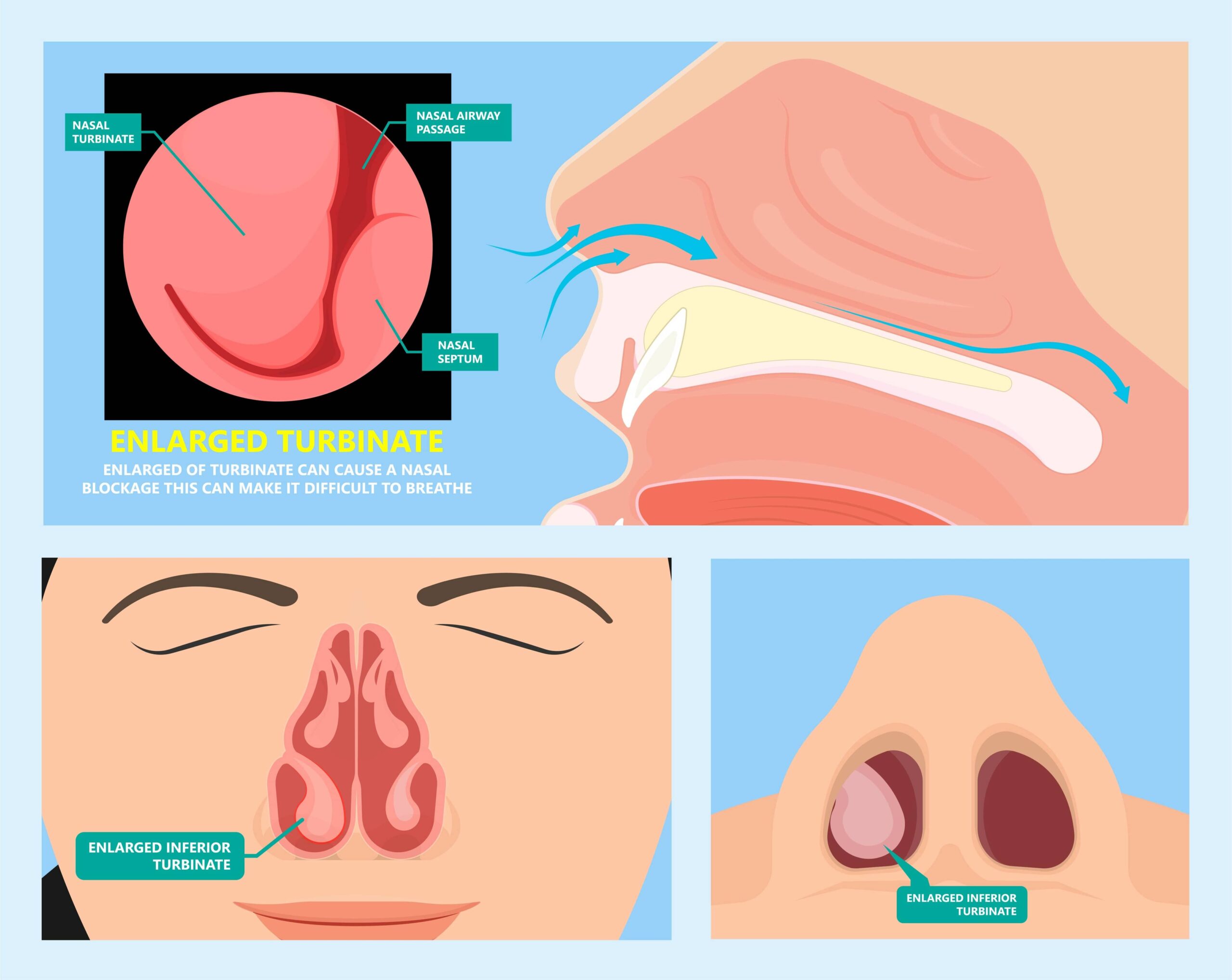
Inferior turbinate hypertrophy is when the nose’s small, bony structures, the nasal turbinates, become enlarged. If left untreated, the enlargement of the nasal turbinates might lead to chronic nasal congestion and breathing difficulties. An ENT specialist can address this medical condition with a surgical procedure called turbinoplasty.
What is Turbinoplasty?
Turbinoplasty, also known as turbinate reduction, is a surgical procedure that involves reducing excess tissue around the turbinates (small, bony structures deep inside the nose). When inferior turbinate hypertrophy occurs, it must be addressed as soon as possible because it can obstruct airflow in the nose, causing breathing difficulties, nasal congestion, and even disturbances during sleep in some cases.
The main objective of turbinoplasty is to remove or reduce excess tissue while preserving the essential functions of the inferior nasal turbinates. This surgical procedure is minimally invasive and often performed under local or general anaesthesia, depending on the patient’s condition. Turbinoplasty is also commonly recommended by ENT specialists for patients who have not responded well to medical treatments such as nasal sprays or antihistamines.
What Are Enlarged Turbinates?
The nose has three pairs of turbinates: superior, middle, and inferior.
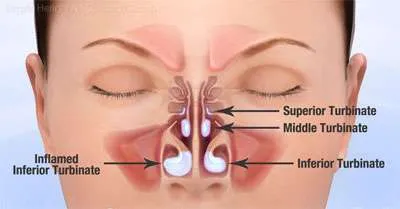
Enlarged turbinates, also known as turbinate hypertrophy, occurs when the nasal turbinates swell due to several underlying conditions, such as allergies, chronic sinusitis, or prolonged exposure to external irritants like smoke or pollution. Allergic rhinitis, for instance, can cause inflammation and excessive mucus production, thus causing persistent nasal congestion. On the other hand, chronic sinusitis, which is characterised by prolonged inflammation of the sinuses, often makes swelling worse and may require additional treatment.
Treatment Options for Enlarged Turbinates
Enlarged turbinates, also known as inferior turbinate hypertrophy, can cause chronic nasal congestion, difficulty breathing, and snoring. Treatment typically follows a three-step escalation path, starting with the least invasive options and progressing only if necessary.
1. First-Line Medical Treatments
Mild cases are often managed with medications and lifestyle measures, including:
- Nasal steroid sprays to reduce inflammation
- Antihistamines for allergy-related swelling
- Saline rinses to clear nasal passages and improve airflow
These options are usually effective for temporary relief or milder symptoms.
2. Minimally Invasive Office Procedures
If congestion persists despite medications, minimally invasive treatments can be performed in the clinic:
- Radiofrequency reduction to shrink the turbinate tissue
- Coblation techniques to reduce volume with minimal discomfort and faster recovery
These procedures are safe, quick, and often do not require general anaesthesia.
3. Surgical Treatment (Turbinoplasty)
For severe or chronic cases where other treatments fail, turbinoplasty is considered. This surgical procedure physically reduces the size of the turbinates to improve nasal airflow permanently. Surgery is typically recommended when:
- Symptoms significantly affect daily life
- Other treatments have not provided lasting relief
- There is a chronic obstruction contributing to snoring or sleep issues
Following this stepwise approach ensures treatment is tailored to your specific needs while minimising risks and recovery time.
What Is the Difference Between Sinus Surgery and Turbinoplasty?
Although both these surgical procedures target the nasal area, their main objectives are different. A sinus surgery aims to open blocked sinus passages, whereas a turbinoplasty is conducted to reduce the size of your turbinates (the small bony structures inside your nose).
Who Can Perform Turbinoplasty?
Turbinoplasty is a specialised surgical procedure that requires the expertise of qualified Ear, Nose, and Throat (ENT) surgeon. Dr Ker Liang is an ENT specialist in Singapore with experience diagnosing and treating nasal conditions, including inferior turbinate hypertrophy.
Dr Ker Liang’s patient-centred approach ensures personalised care at every stage, from initial consultations to post-operative follow-ups. If you or your loved ones are concerned about treating your enlarged turbinates, schedule a consultation with Dr Ker Liang at Aglow ENT Centre to regain comfortable breathing and enhance your overall quality of life.
What to Expect
Before the Surgery
Preparation for this nasal surgery begins with a detailed consultation with your ENT specialist. During the consultation, the ENT specialist will examine your current condition by assessing your medical history and symptoms. Your ENT specialist might also perform several diagnostic tests, such as nasal endoscopy or imaging scans, to further confirm the need for surgery.
After your surgery has been scheduled, you will receive pre-surgical instructions to ensure a smooth and seamless procedure. These instructions may include avoiding certain medications, such as blood thinners, to reduce the risk of excess bleeding. Patients are also advised to stop smoking and limit alcohol consumption to enhance the healing process. You may also be instructed to fast for several hours before the surgery, especially if general anaesthesia is required. Your ENT specialist will clarify any doubts you may have regarding the surgical procedure, its risks and the post-operation recovery process. Doing so will help reduce pre-surgical anxiety and ensure that you are well-informed about the procedure.
During the Surgery
Turbinoplasty can take approximately 30-60 minutes and is performed as an outpatient procedure. General anaesthesia is administered to ensure the patient’s comfort. The ENT surgeon begins by accessing the inferior nasal turbinates through the nostrils. Several minimally invasive techniques can shrink the turbinates while preserving their functional tissues, including submucosal resection, coblation, or radiofrequency ablation. These procedures involve removing or reducing excess tissue without leaving visible scars, although patients may experience minimal discomfort.
After the Surgery
Following the inferior turbinate reduction procedure, patients can go home on the same day. It is recommended that the patient bring along a companion who could accompany them home. Patients may experience mild nasal congestion, swelling, and crusting in the first week after surgery. These symptoms can be easily managed with saline sprays, prescribed medications, and proper nasal care as advised by the ENT specialist. It is also imperative that patients attend their follow-up appointments as it allows the ENT specialist to assess the healing process and ensure that no complications might occur.
Most patients can resume normal activities within a week, though strenuous exercise and nose blowing should be avoided for at least two weeks after the surgery. Complete recovery occurs when nasal function and airflow have returned to normal and will usually take place within 4-6 weeks after surgery.
The Benefits of Turbinoplasty
Turbinoplasty offers significant benefits for individuals who have been affected by inferior turbinate hypertrophy.
- Enhanced Breathing: Reduces nasal obstruction by removing or shrinking enlarged turbinates, allowing for increased airflow.
- Relief from Chronic Congestion: Helps alleviate persistent nasal congestion caused by swollen turbinates.
- Enhanced Sleep Quality: Reduces symptoms of obstructive sleep apnoea or snoring, improving sleep for both patients and their partners.
- Enhanced Sense of Smell: Opens up nasal passages, which can restore or improve the sense of smell.
- Long-term Results: Provides lasting relief from nasal blockage and related symptoms without frequent reliance on medications.
Patients have also reported tolerance for various physical activities and an overall enriched quality of life. Beyond physical improvements, the psychological benefits of being able to take deep breaths often include reduced stress and a better mood. Turbinoplasty is a minimally invasive surgical procedure with a quick recovery period, making it an option for patients who are seeking lasting relief from nasal obstruction.
What is the Success Rate of Turbinoplasty?

Turbinoplasty is an effective surgical procedure, with success rates ranging from 85% to 95%. Most patients have reported significant improvements in nasal airflow and relief from symptoms of nasal obstruction. The outcomes are long-lasting, especially when the procedure is performed by an experienced ENT specialist in Singapore and accompanied by proper post-operative care.
What are the Potential Risks and Complications of Turbinoplasty?
While turbinoplasty is generally safe, it also carries potential risks and complications. Common risks include temporary nasal congestion, mild bleeding, and swelling. However, these risks are typically manageable with proper post-operative care and medications prescribed by the ENT specialist.
On rare occasions, severe complications may occur. These include infection, excessive bleeding, or scarring that could affect nasal function. Over-reduction of the turbinates could also lead to empty nose syndrome, where the nasal passages might feel too open and dry. To minimise the risks, it is crucial for patients who have had turbinoplasty to follow pre-surgical instructions and all follow-up appointments. Choosing a skilled ENT surgeon with experience in turbinoplasty, also significantly reduces the likelihood of complications and ensures a positive outcome.
When is a Turbinoplasty Necessary: When Should You See an ENT Specialist?

Turbinate reduction surgery is often recommended for individuals with the following traits:
- Experiencing persistent nasal obstruction that does not respond well to medications such as nasal sprays or antihistamines.
- Difficulty breathing through the nose
- Frequent sinus infections
- Disrupted sleep due to nasal blockages
- Reduced sense of smell
- Recurrent headaches related to nasal pressure
- Prolonged discomfort during strenuous physical activity
If left untreated, these symptoms can significantly lower the patient’s quality of life.
Prevent Recurring Symptoms and Schedule a Consultation with our ENT Specialist
If you are struggling with any of these symptoms that affect the quality of your breathing, book a consultation with Dr Ker Liang for an accurate diagnosis and personalised treatment plans.
Frequently Asked Questions (FAQs)
What is turbinoplasty, and when is it needed?
Turbinoplasty is a surgical procedure that reduces the size of the nasal turbinates to improve airflow. It is recommended when chronic nasal blockage, breathing difficulty, or inferior turbinate hypertrophy does not improve with medication.
How do you treat enlarged turbinates or inferior turbinate hypertrophy?
Treatment may include nasal sprays, antihistamines, allergy management, or minimally invasive procedures like turbinoplasty when symptoms persist.
Can turbinates grow back after surgery?
In some cases, the turbinates may enlarge again due to ongoing allergies or inflammation, but proper medical management can help prevent this.
When should I see an ENT specialist for persistent nasal blockage?
If your nasal congestion lasts more than a few weeks, affects sleep, or does not respond to medication, it’s best to consult an ENT specialist. You can visit Aglow ENT Centre for a thorough assessment and personalised treatment plan.
Are enlarged turbinates the same as turbinate hypertrophy?
Yes. ‘Enlarged turbinates’ is just a colloquial term for turbinate hypertrophy, which is caused by the swelling of the nasal turbinates.
What are the symptoms of enlarged turbinates?
Common symptoms of enlarged turbinates include:
- Nasal obstruction
- Deviated septum
- Altered sense of smell
- Mild facial pain
- Runny nose
- Snoring
Is turbinoplasty painful?
Turbinoplasty is typically performed under general anaesthesia, so patients do not feel pain during the surgical procedure. Meanwhile, post-operative discomfort is generally considered mild and can be managed with prescribed medications.
Will my nose shrink after turbinoplasty?
The external appearance of the nose will not be affected by turbinoplasty, as the procedure focuses solely on the internal structures of the nose.
Can turbinates grow back?
In some rare cases, tissue over the stump of the trimmed turbinate bone might regrow, especially if underlying conditions like allergies are not well managed.
What's the difference between Septoplasty and Turbinoplasty and Balloon Sinuplasty?
Septoplasty is a surgical procedure mainly targeted at correcting the deviated septum to improve airflow. Turbinoplasty is aimed at reducing the size of enlarged nasal turbinates. Both surgical procedures can be performed together to address multiple causes of nasal obstruction.
Balloon sinuplasty, on the other hand, is a minimally invasive technique used to open blocked sinus pathways. Instead of removing tissue, a small balloon catheter is inserted into the sinus opening and gently inflated to widen the passage. This helps restore normal sinus drainage, reduce congestion, and relieve chronic sinusitis symptoms with less downtime and faster recovery compared to traditional sinus surgery.