Sinus symptoms that do not go away with the typical treatment solutions require sinus surgery.
If your symptoms have persisted for a prolonged period, it is recommended that you consult an ENT specialist to check if you require sinus surgery in Singapore.
What is Sinus Surgery, and When Do I Need It?
Sinus surgery in Singapore is a specialised surgical procedure that is used as a chronic sinusitis treatment when antibiotics and other treatments are not effective.
The sinuses are air-filled cavities around the nasal passages that help with air humidification and mucus secretion. Issues such as blockages, inflammation, and infections can cause discomfort, breathing difficulties, and chronic sinusitis.
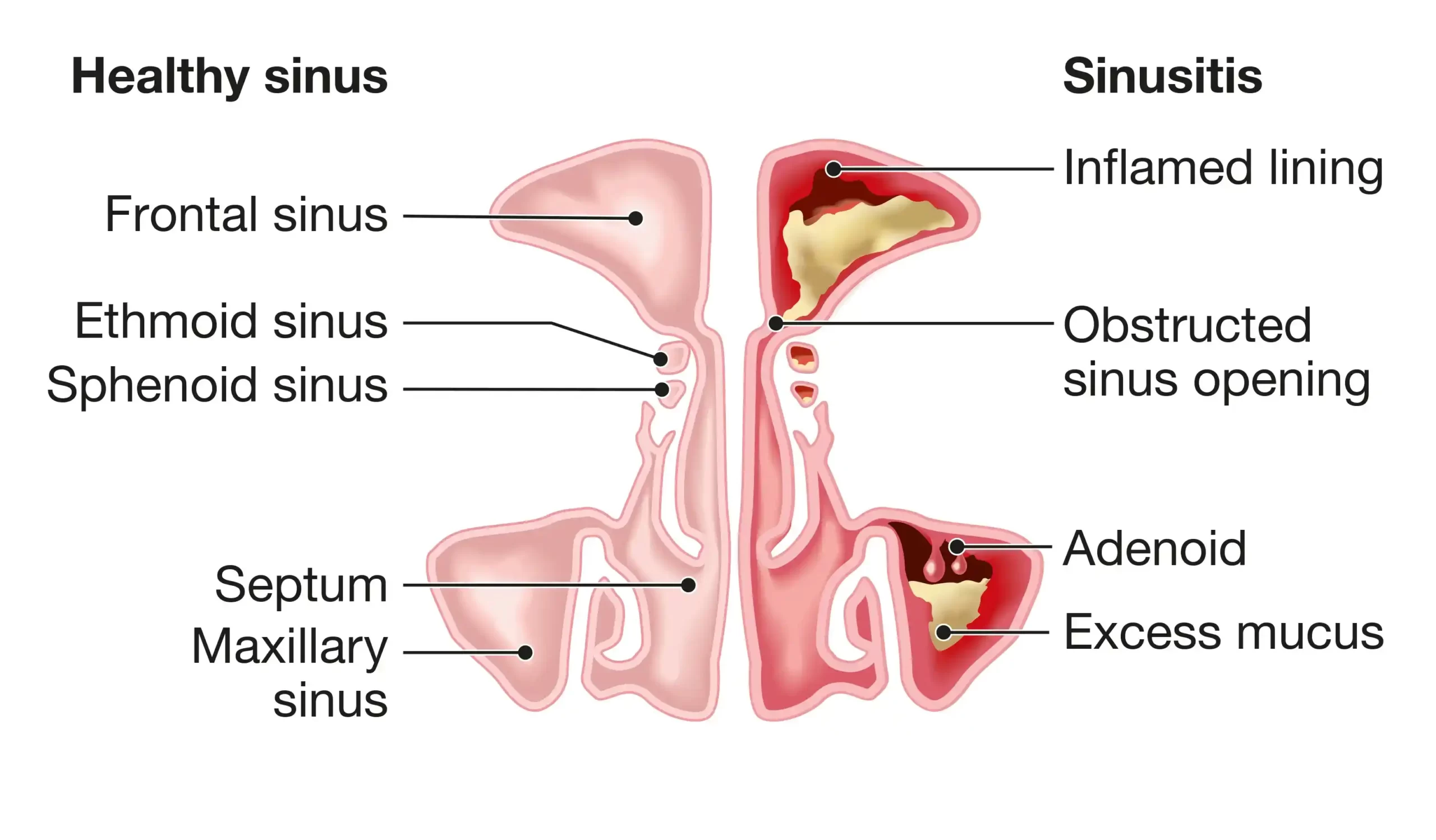
Sinus surgery helps alleviate the above symptoms by enhancing sinus drainage and function. For most patients, these procedures are typically performed under general anaesthesia and can be done as a day-surgery procedure. Consult with Dr Ker Liang, our qualified ENT surgeon, for tailored surgical advice.
How Does a Sinus Specialist in Singapore Diagnose Sinusitis?
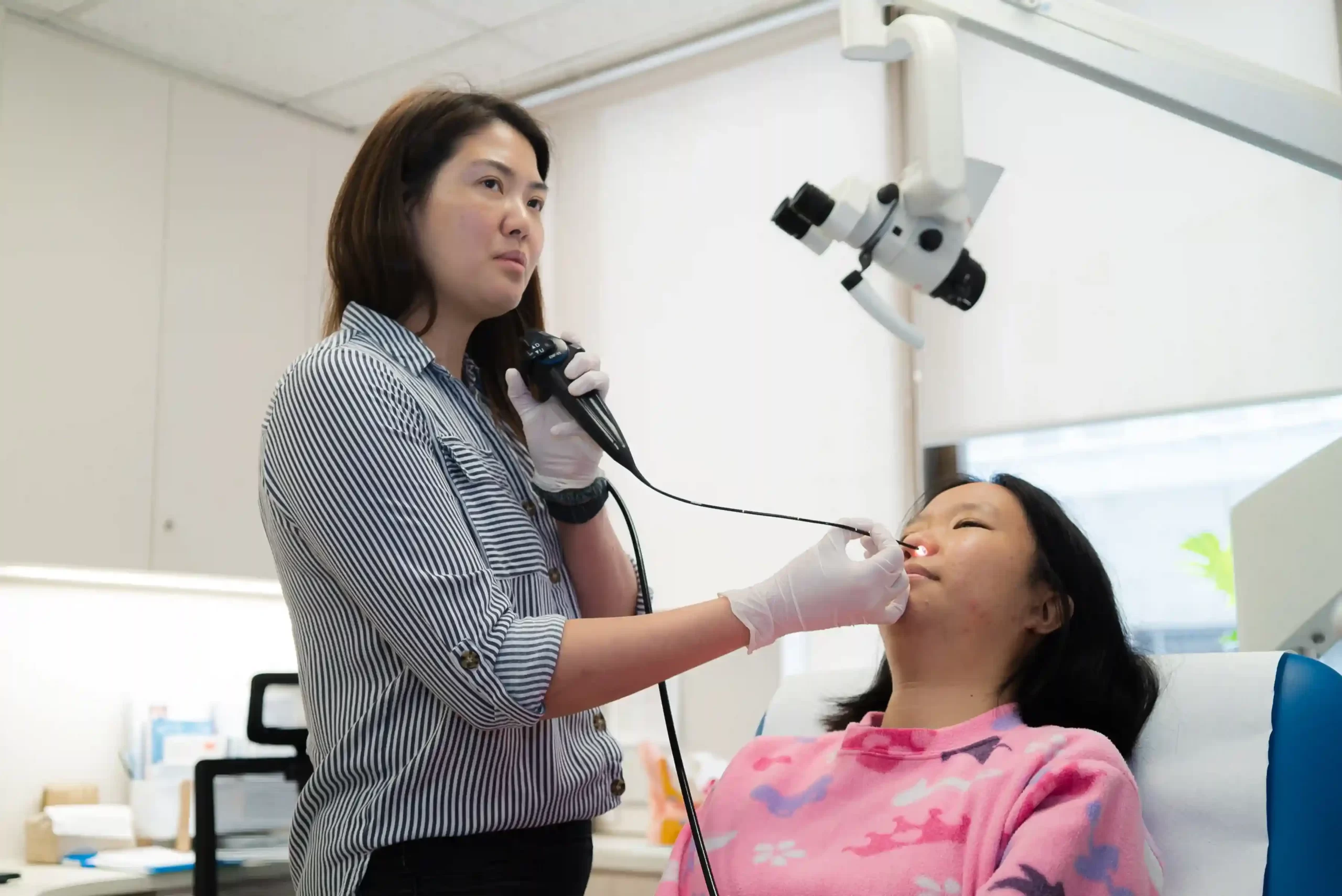
Patients with sinus issues often experience symptoms such as pressure-like facial pain, postnasal drip, headaches, and more. However, if a sinus condition is strongly suspected, it is recommended to consult a sinus specialist in Singapore for a comprehensive approach to diagnosis and treatment.
During their ENT visit, patients will undergo evaluations for an accurate diagnosis through various procedures, which may include:
- Nasal Endoscopy: Inspection of the inside of the nose and sinuses to check for blockages or structural issues causing sinus problems.
- Imaging Tests: Tests such as MRI or CT scans to detect any blockages or structural issues that may contribute to sinusitis, such as a deviated septum or nasal polyps.
- Allergy Testing: Tests to check for potential allergies that could trigger sinus conditions in patients.
Based on the results, the sinus specialist will recommend a suitable treatment plan, which may include a sinus operation if necessary.
Types of Sinus Operations in Singapore
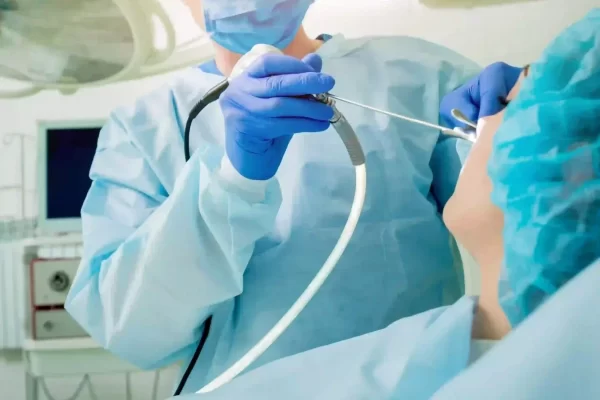
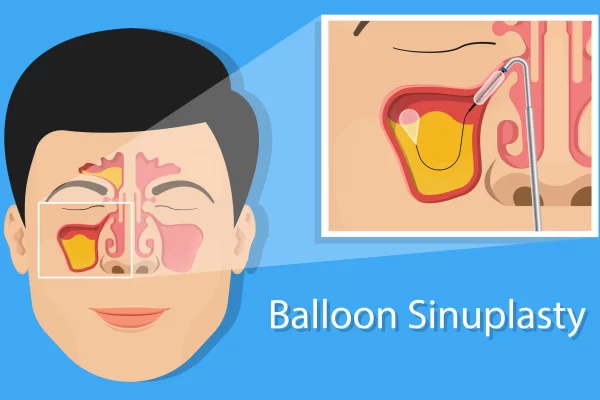
Common sinus operations in Singapore include Functional Endoscopic Sinus Surgery (FESS) and Balloon Sinuplasty.
- Functional Endoscopic Sinus Surgery (FESS): This is a standard, minimally invasive procedure for chronic sinus issues. The sinus specialist uses a nasal endoscope (a thin tube with a fibre-optic light attached) to visualise and remove tissue via the nostril, enhancing sinus pathways without external cuts. Usually, patients are placed under general anaesthesia for FESS.
- Balloon Sinuplasty: In less severe cases, your sinus specialist may recommend this minimally invasive procedure which only requires local anaesthesia. A small balloon is inserted to expand the sinus passages and improve drainage.
Who Can Perform Sinus Surgery?
ENT surgeons, also known as otolaryngologists, are typically the ones who perform sinus surgery. They have the medical and surgical training to diagnose and treat a variety of sinus conditions, including sinusitis, allergies, and nasal polyps.
Dr Ker Liang is an experienced ENT surgeon who is trained to manage sinus issues for chronic conditions, and provides personalized treatment plan for ENT conditions.
How to Choose the Right ENT Specialist in Singapore
Selecting the right ENT specialist is crucial for safe and personalised treatment, especially for sinus or complex ENT conditions. Here are key factors to consider:
1. Qualifications
Look for a specialist with the required qualifications and experience in ENT care, particularly in treating sinus issues. Surgeons who routinely perform endoscopic sinus surgery are often more familiar with minimally invasive procedures, ensuring comprehensive treatment with smooth recovery.
2. Sinus-Focused Skills
If your condition involves chronic sinusitis or repeated sinus infections, consider an ENT who specialises in sinus procedures. Specialists with focused training are more likely to identify subtle issues and offer advanced treatment options.
3. Proven Track Record
Check for patient reviews, case studies, or professional recognition that demonstrate a history of successful outcomes. A trusted surgeon will explain the procedure, expected results, and recovery process clearly.
4. Timing Matters
Choose a specialist early when conservative treatments fail or if symptoms such as chronic congestion, facial pain, or recurrent infections persist. Early consultation with the right ENT can prevent complications and improve long-term outcomes.
By carefully selecting a qualified, sinus-focused ENT, patients can feel confident that their care is safe, personalised, and effective.
What to Expect: How is Sinus Surgery in Singapore Performed?
In order to ensure you are well-prepared for the procedure, here are some things patients can expect from sinus surgery:
Before the Surgery
Prior to your surgery, your ENT specialist will conduct a pre-surgery screening, which includes a comprehensive consultation to ensure you are suitable for sinus surgery. At this stage, your sinus specialist will also provide instructions on what to prepare, such as pausing certain medications before your operation.
During the Surgery
Before the procedure begins, you will be provided anaesthesia to ensure you do not feel any pain during the treatment. Depending on the type of surgery you are undergoing, your ENT surgeon will then use a nasal endoscope to perform the procedure. If you are undergoing a FESS procedure, your ENT surgeon will use their endoscope to visualise and then use various endoscopic instruments to remove diseased tissue, or polyps that may be blocking your sinuses.
After the Surgery
Once the procedure is complete, you will be allowed to rest until your anaesthesia wears off. Your ENT surgeon will check on you to ensure you are recovering well before you are discharged, usually on the same day. You may also be prescribed pain medication and antibiotics to aid your recovery. Occasionally, you may experience a small amount of bleeding from the nose after a sinus operation. This is normal, as the nose has a rich blood supply. Your care team will provide nasal packs (i.e., sponges and dressings) to manage the bleeding as needed.
You may also experience some discomfort in your nasal cavity and swelling in the days following the surgery. However, your ENT care team will provide you with post-operative care instructions before you leave to help ensure a smoother recovery.
What is the Success Rate of Sinus Surgery?
Sinus surgeries generally have a favourable success rate. Our skilled ENT surgeon would flush or/and suction away all the infectious material during surgery; this allows the sinuses to be better ventilated and promotes quicker resolution of chronic sinus infection and inflammation.
For an effective solution to your sinus condition, schedule a consultation with our ENT specialist for surgical advice.
Are There Any Risks or Side Effects from Sinus Surgery?
While generally safe, sinus surgery does come with potential side effects. Common side effects include minor bleeding, facial pain, swelling, and nasal congestion. Most of these symptoms are temporary, resolving within a few weeks. More severe complications are less common. They include persistent sinusitis and, in rare instances, damage to surrounding structures like the orbital wall or base of the skull due to the proximity of sinuses to these critical areas.
The severity and occurrence of these side effects depend mainly on individual health conditions, the extent of the disease, and the specific surgical techniques used. To minimise the risk of such complications, it is important to undergo a thorough consultation with your ENT specialist.
When is a Sinus Surgery Necessary?
In Singapore, sinus treatment often involves a combination of medication, decongestants, and immunotherapy. However, if you have been prescribed these treatments but have not experienced relief from your symptoms, visiting a sinus specialist in Singapore may be a good next step. After a thorough evaluation, the specialist may recommend surgery. Whether sinus surgery is necessary depends on your individual condition.
If you require allergic rhinitis treatment, sinus treatment, or treatment for any other ear, nose, and throat-related conditions, book an appointment with our ENT specialist, Dr. Ker Liang.
Frequently Asked Questions (FAQs)
What is sinus surgery, and when do I need it?
Sinus surgery is a procedure that opens blocked sinus pathways to improve breathing and drainage. It’s usually recommended when chronic sinusitis doesn’t respond to medications or causes ongoing symptoms like congestion, facial pressure, or infections.
How is sinus surgery in Singapore performed?
Most sinus surgeries in Singapore are minimally invasive, using endoscopic tools inserted through the nose to clear blockages without external incisions. The goal is to restore proper airflow and sinus drainage.
What is the difference between FESS and balloon sinuplasty?
FESS (Functional Endoscopic Sinus Surgery) removes or reshapes blocked tissues, while balloon sinuplasty gently expands sinus openings using a small balloon. Balloon sinuplasty is typically less invasive and suited for milder cases.
How long is the recovery after sinus surgery?
Recovery usually takes 1–2 weeks, depending on the procedure and severity of the condition. Most patients can resume light activities within a few days.
Are there risks or side effects from sinus surgery?
Possible side effects include bleeding, nasal congestion, scarring, or infection, though complications are uncommon. Following your surgeon’s aftercare instructions reduces these risks.
When should I see a specialist for chronic sinusitis treatment?
You should see an ENT specialist if symptoms like nasal blockage, facial pain, or recurrent infections persist for more than 12 weeks despite medication. Early evaluation helps prevent complications and ensures proper treatment.
How painful is sinus surgery?
Since patients are placed under anaesthesia, they are unlikely to feel any pain during the procedure. However, they may experience mild pain for about a week after surgery.
Will I be able to breathe through my nose after the surgery?
After surgery, you may experience some congestion and swelling in the nasal cavity. However, you should be able to breathe through your nose within a few days. In some cases, it may take several weeks for the swelling to fully subside and for a noticeable enhancement in your nasal breathing.
How long does it take to recover after the surgery?
Full recovery following a sinus surgery may take 2-3weeks. However, this may vary depending on each patient’s condition.
Will I feel better after sinus surgery?
After a full recovery, most patients find that they are able to breathe more easily and experience fewer sinus symptoms.
Medical Teaching
Assistant Professor Ker Liang has a passion for teaching and is an Assistant Professor with NUS Yong Loo Lin School of Medicine (YLLSOM). As the NUS-NUH Otolaryngology Department Undergraduate Medical Director, Dr Ker Liang supervises the training of medical students from YLLSOM, NUS. She is actively involved
in the training of postgraduate junior doctors and residents in the Head and Neck Surgery department. She was conferred with an Undergraduate Teaching Award by the National University Health System in 2016 for her outstanding efforts as an Otolaryngology educator.
Medical Teaching
Assistant Professor Ker Liang has a passion for teaching and is an Assistant Professor with NUS Yong Loo Lin School of Medicine (YLLSOM). As the NUS-NUH Otolaryngology Department Undergraduate Medical Director, Dr Ker Liang supervises the training of medical students from YLLSOM, NUS. She is actively involved
in the training of postgraduate junior doctors and residents in the Head and Neck Surgery department. She was conferred with an Undergraduate Teaching Award by the National University Health System in 2016 for her outstanding efforts as an Otolaryngology educator.