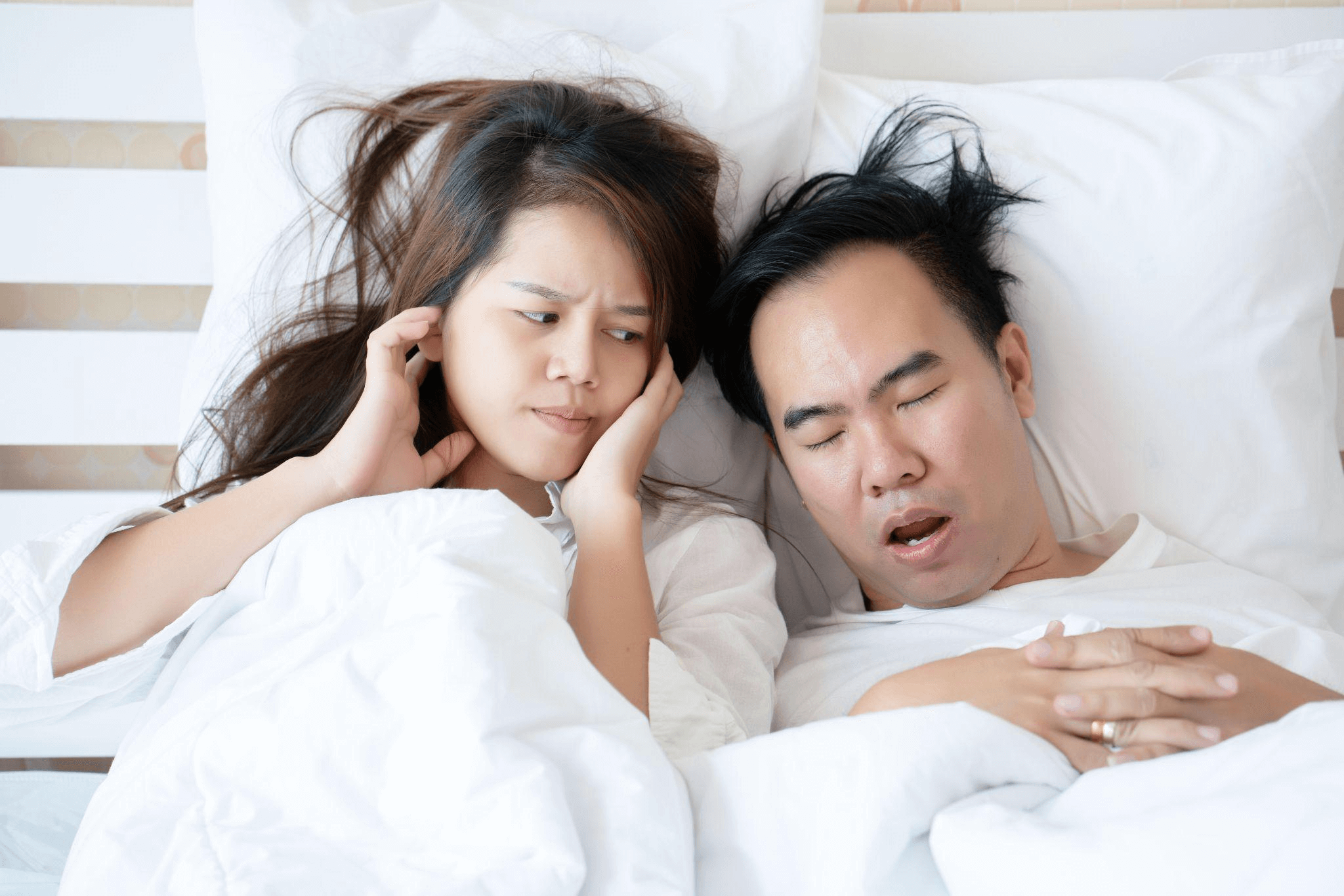
Snoring is a common nuisance that keeps others in the room awake. While often dismissed as a regular part of ageing, did you know that snoring can sometimes be harmful? The loud noise caused by disrupted breathing may signal more serious health issues, such as obstructive sleep apnoea. This article will help you understand why people snore, how to tell if your snoring is harmless or warrants medical attention, and offer practical tips on managing snoring from our sleep specialist.
Understanding the Different Types of Snoring
When we think about snoring, most people often identify it as a single type of condition. In truth, the condition can be medically classified into different categories based on how it influences a person’s sleep or airflow disruption.
Primary Snoring
Primary snoring is a type of snoring that is not associated with significant disruptions to an individual’s sleep. Specifically, individuals with primary snoring are unlikely to experience:
- Awakening episode(s)
- Excessive arousals during sleep are marked by brief shifts to lighter sleep or awakenings lasting less than 15 seconds, which typically go unnoticed.
- Disrupted airflow
- Drop in oxygen levels
- Arrhythmias (irregular heartbeat)
- No daytime sleepiness due to disrupted sleep
Primary snoring is, therefore, frequently harmless.
Risks of Primary Snoring
While harmless initially, those with primary snoring should still be mindful of potential health risks. Over time, most primary snoring progresses to obstructive sleep apnoea (OSA), a more serious condition associated with cardiovascular risks, cognitive impairment, and metabolic disorders. Early evaluation is important to rule out underlying causes and monitor for signs of progression.
Secondary Snoring
Secondary snoring refers to a condition in which individuals snore as a symptom of sleep-disordered breathing, such as obstructive sleep apnoea (OSA). In such instances, patients experience significant disruptions to their sleep patterns or breathing.
Patients with OSA can be diagnosed with the condition if they have an Apnoea-Hypopnea Index (AHI) ≥ 5. This means the patient experiences five or more episodes of apnoea (temporary pause in breathing) or hypopnea (shallow or slowed breathing) per hour of sleep, with each episode lasting at least 10 seconds.
They must also exhibit at least one of the following symptoms:
- Daytime sleepiness
- Falling asleep unintentionally during the day
- Feeling fatigued or unrested even after sleep
- Insomnia
- Waking up in the middle of the night, choking or gasping for air
- Noticeable loud snoring and/or breathing disruptions reported by a bed partner or roommate
Risks of Secondary Snoring
Although snoring itself may not have a significant impact, the underlying cause of OSA, can lead to serious health complications. Patients with OSA are at increased risk of developing:
- Decreased blood oxygen levels (hypoxia)
- Difficulty concentrating
- Persistent fatigue: As the body does not receive sufficient oxygen during sleep, patients may wake up still feeling tired, which can persist throughout the day. It affects the body physiologically and increases the risk of daytime accidents.
- Cardiovascular conditions: Sudden drops in blood oxygen levels are likely to increase blood pressure and impair cardiovascular function, resulting in a higher risk of heart attack or stroke.
- Type 2 diabetes: Unstable oxygen levels can affect blood glucose levels and insulin resistance, potentially leading to the development of Type 2 diabetes.
What Causes Snoring?
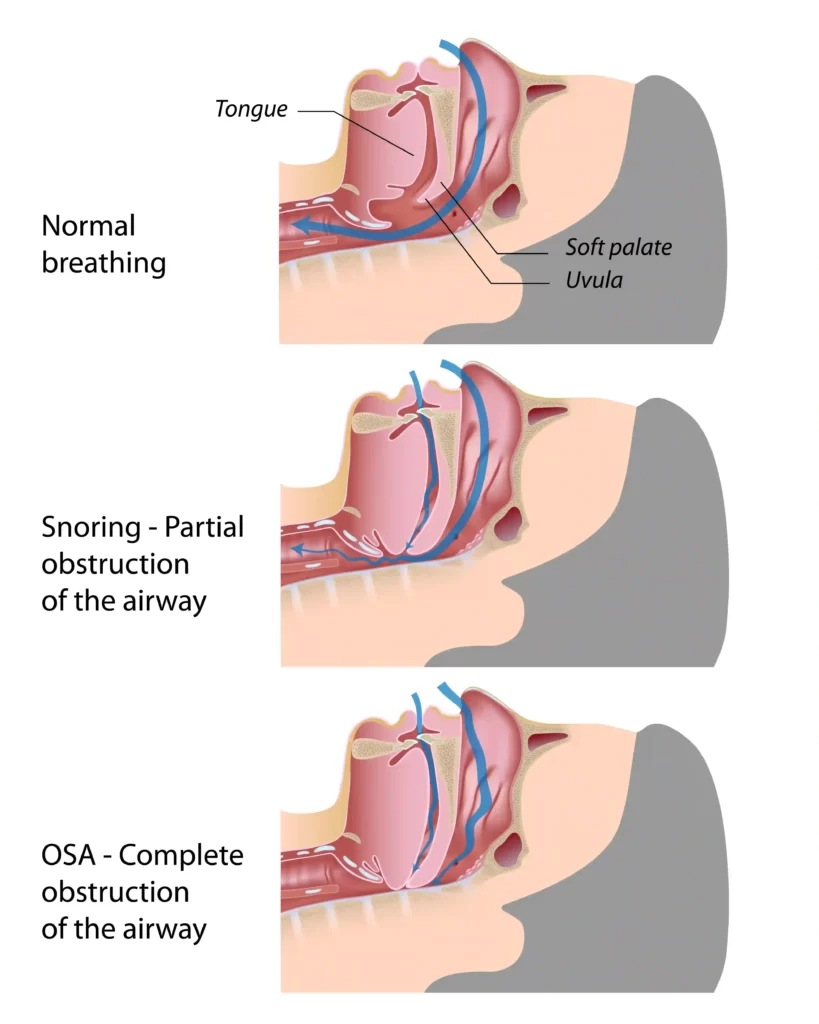
Snoring occurs when a blockage in our airways (nose, mouth, or throat) causes airway tissues (soft palate, uvula, base of the tongue) to vibrate against each other. This results in the noise that we identify as snoring. While the condition itself is a common phenomenon, especially in males, there are risk factors that can contribute to the increased prevalence of snoring:
- Age: As we age, our muscle tone decreases, and our airway is likely to constrict, making us more susceptible to snoring.
- Anatomy: Any abnormality in the airflow can cause a blockage, contributing to snoring. E.g., an anatomical abnormality like enlarged tonsils or adenoids (common in children) can contribute to snoring.
- Medical Condition: Infections or allergies that cause nasal congestion can block the airway, which can cause snoring.
- Genetics: Those with a history of snoring in the family are also likely to snore.
- Weight: Individuals who are overweight or obese have an increased likelihood of snoring or developing sleep-disordered breathing disorders.
- Alcohol and Medications: Individuals who consume alcohol or certain medications may experience more relaxed muscles, which disrupt airflow, causing snoring.
When is Snoring a Sign of Something More Serious?
Secondary snoring is commonly associated with obstructive sleep apnoea. Patients with this condition are likely to experience temporary pauses or shallow breathing in their sleep, which causes a drop in blood oxygen levels. Patients with OSA may suffer from severe complications over time.
OSA can happen due to reasons such as:
- A restricted upper airway due to an anatomical anomaly (deviated septum, enlarged tonsils) or other reasons
- Repetitive collapse of the airway
While sleep apnoea in Singapore is more prevalent in adult males, it can also occur in women and children. As such, parents need to take note of any unusual sleeping patterns observed in their children. Untreated OSA can lead to serious health consequences and an overall reduction in quality of life.
Tell-Tale Signs of Obstructive Sleep Apnoea
OSA varies in severity and can be categorised as such:
- Mild: 5 to 15 apnoea or hypopnea episodes/hour of sleep
- Moderate: 16 to 30 apnoea or hypopnea episodes/hour of sleep
- Severe: More than 30 apnoea or hypopnea episodes/hour of sleep

Depending on each person’s condition, they may exhibit different symptoms at varying intensities. However, common signs include:
- Chronic fatigue
- Poor concentration – For children, it may reflect in poor academic performance, short attention spans and even disruptive behaviour in class
- Morning headaches and dry mouth
- Irritability
During night time, symptoms may become even more apparent as patients experience:
- Gasping for air while sleeping
- Frequent awakenings and restlessness
- Nocturia (frequent urination)
- Loud snoring that may keep your partner awake at night
How does a Sleep Specialist in Singapore Diagnose Snoring?
A key step to diagnosing snoring is understanding a patient’s symptoms. Hence, sleep specialists will likely ask you for a detailed sharing of your sleep history:
- How often do you snore?
- How often do you wake up from your sleep at night?
- What does your snoring sound like?
- Do you feel well-rested after sleeping?
- Do you experience headaches in the morning right after waking up?
- Do you wake up with a dry mouth?
Since some of the above may be more noticeable to your partner or roommate, it is a good idea to get the information from them. They will also require your medical history to further understand your overall condition.
Aside from the above, your sleep specialist will also conduct a physical examination, especially to check the nose, throat, and mouth for potential airway obstructions that may cause snoring. This may be done via a naso-endoscopy, which utilises a thin, flexible tube equipped with a camera to view the upper airway.
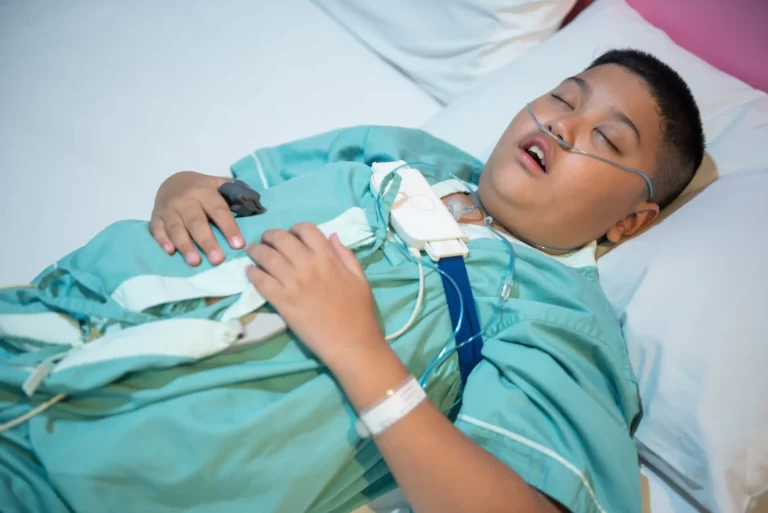
To support their diagnosis, your sleep specialist may also require you to undergo a sleep study (also known as polysomnography). This is mostly done for patients suspected of OSA. During the procedure, patients will be monitored during their sleep at home or a dedicated sleep centre. Patients will be attached to a device that tracks:
- Brain wave patterns, to analyse sleep cycles
- Breathing activity, including pauses or gasping during sleep
- Heart rate and blood oxygen levels
- Physical movements, such as limb jerks or restlessness
- Presence of snoring and its volume
A sleep test will determine if an individual has sleep apnoea and evaluate the severity of their condition.
Types of Treatments for Snoring
Once a proper diagnosis is formed, your sleep specialist will be able to recommend a suitable treatment plan to help improve your condition. This usually varies from a series of non-surgical to surgical treatments, depending on your condition.
Non-Surgical Methods
For some cases, sleep specialists can suggest the following measures to help with your snoring:
- Medications: Taking appropriate medication can alleviate the condition for those whose snoring is caused by underlying congestion or allergies.
- Nasal Strips and Other Oral Appliances: These simple devices can improve airflow by keeping the nose or mouth in the right position. Nasal strips stick outside of the nose and widen the nostrils to help keep the nasal passage open to improve airflow. You may also use a mouth guard to keep your jaw in the right position for better airflow.
- Continuous Positive Airway Pressure (CPAP): This device ensures continuous oxygen supply during sleep via a nasal mask.
Surgical Methods
In some cases, the patient may need surgical treatment to address the root cause of their sleep apnoea.
For such patients, their sleep specialist may recommend any of the following procedures based on their underlying cause of the OSA:
- Septoplasty: A minimally invasive surgery to straighten a crooked nasal septum.
- Turbinoplasty: A minimally invasive surgery to remove excess tissue deep inside the nose.
- Tonsillectomy & Adenoidectomy: Minimally invasive surgeries that remove enlarged tonsils (small, round pieces of tissue at the back portion of the throat) and adenoids (similar tissues at the back of the nose), typically done simultaneously.
- Uvulopalatopharyngoplasty: A minimally invasive surgery involving removing or reshaping tissues in the throat.
- Epiglottectomy (Epiglottidectomy): Endoscopic technique to trim the floppy and obstructive (retroflexed) epiglottis.
Lifestyle Changes to Support Better Sleep
Regardless of any assistive device or surgical treatment, those who snore or are diagnosed with OSA may want to consider improving their lifestyle choices to support better sleep:
- Maintaining a healthy weight can improve breathing and reduce sleep disturbances.
- Sleeping on your side can help keep your airway open for improved breathing.
- Propping your head up or sleeping at an incline can help to keep your airway open and reduce snoring.
- Stop smoking and consuming excessive alcohol to prevent irritation and excessive relaxation of the airway.
- Ensure adequate sleep at night to remove the need for deeper sleep stages that may cause the throat muscles to relax too much and the airway to collapse.
Cost of Snoring Surgery in Singapore
Surgery for snoring may be different for each patient, as it depends on the main issue to address.
In most cases, snoring surgery in Singapore can be covered by insurance. For more details on insurance coverage, you can consult our experienced and friendly team at Aglow ENT Centre for any enquiries.
How to Choose the Right Sleep Specialist in Singapore
For many, opting for surgery is a major decision to make. Understandably, there are numerous considerations before scheduling one. In this section, our team highlights the key factors you should consider.
Insurance Panels
Surgery is a solution that can treat various conditions. However, it can also take up a significant portion of an individual’s savings. To support patients in making an informed decision, Aglow ENT Centre provides financial counselling to facilitate a seamless insurance claim process, including:
- Approximation of Surgery Cost
- Verification Of Insurance Coverage
- Provision of Letter of Guarantee (LOG), Pre-authorisation Certificate, and Insurance-approved Medical Reports
Our team collaborates with several insurance companies to strengthen communication and support systems, allowing patients to receive quality care with peace of mind.
Location of Clinic & Appointment Availability
The clinic’s location is another important factor when choosing the right snoring doctor in Singapore. Patients undergoing treatment should focus entirely on recovery, without added logistical stress. This includes ensuring an easy and convenient commute to and from the treatment centre.
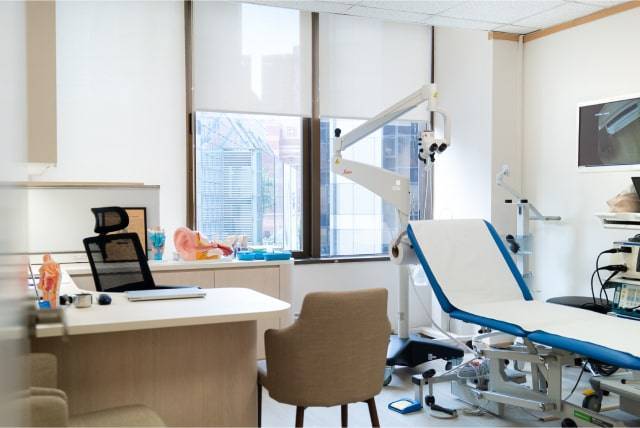
Aglow ENT Centre is conveniently located at Mount Elizabeth Hospital in Orchard and accepts same-day appointments.
Expertise of Doctor
Snoring surgery can be delicate, as it involves the upper airway along with nearby nerves and tissues. Patients should seek the expertise of an ear, nose, and throat (ENT) specialist trained to manage these complex structures.
In addition, consider the surgeon’s training and experience. For paediatric cases, parents may prefer to work with an ENT surgeon experienced in delivering quality care and fostering relationships with children.
Diagnostic Capabilities
When seeking medical treatment, patients value a clear and accurate diagnosis. Achieving this depends on both the procedures available and the specialist’s training and experience. Accurate diagnosis is crucial for early detection and effective management of medical conditions.
Consult Dr Ker Liang for Snoring Treatment in Singapore, Same-Day and Walk-In Appointments Available

If you or your partner shows signs of snoring that may indicate obstructive sleep apnoea, consult an ENT specialist for proper diagnosis and timely treatment. In Singapore, you can schedule a same-day appointment or walk in at Aglow ENT Centre (Orchard), led by ENT Head and Neck Surgeon Dr Ker Liang.
Dr Ker Liang has over 14 years of experience in the field and treats both adult and paediatric patients. To further support patients on their health journey, the team at Aglow ENT Centre is structured to provide comprehensive care. This includes a strategically located clinic, financial counselling, and same-day appointments. In some cases, Dr Ker Liang also performs day surgery procedures, allowing patients to return home on the same day without an overnight stay.