Stress and anxiety are part of everyday life, but they often go unnoticed as contributing factors to physical discomfort, especially in areas like the ears, nose, and throat. These two common emotional states can show up in surprising ways in your ENT health, making it important to pay attention to how your body reacts when you’re feeling overwhelmed.
Impact of Stress on the Ear
One of the lesser-known effects of stress is its potential influence on your ears. Stress and anxiety may contribute to tinnitus, a condition where you hear ringing, buzzing, or a hissing sound in your ears, even though there’s no external source of noise. This can be a mild annoyance for some people but can become more persistent or noticeable when stress levels are high.
The connection between stress and tinnitus is thought to be related to the body’s fight-or-flight response, which can increase muscle tension in areas like your neck and jaw. This added tension can worsen the sensation of ringing in the ears. While stress may not directly cause tinnitus, it can make the symptoms harder to ignore, making them more difficult to manage.
Effects of Anxiety on the Throat
Anxiety, on the other hand, is often linked to globus sensations in the throat. Globus sensation is a non-painful and persistent feeling of having something stuck in the throat, even though there is nothing physically there.
Many patients have described globus sensations as:
- A lump that won’t go away even after drinking water or swallowing saliva
- A mild soreness or scratchy irritation
- A tight band around the throat
Stress and anxiety can cause the muscles around the throat to tighten, leading to a feeling of tightness or pressure. As anxiety continues, stress increases the production of gastric acid, which leads to silent reflux, also known as laryngopharyngeal reflux. When acid flows backwards into the throat, it irritates the delicate tissues, causing a globus sensation. This creates a self-perpetuating cycle.
Besides globus sensations, other signs of laryngopharyngeal reflux include:
- Presence of phlegm
- Bad breath
- Chronic cough
How Stress Affect Your Jaw
Stress and anxiety also make us more susceptible to jaw pain. When you are under constant stress, your body may react by developing bruxism. Bruxism is a condition where individuals grind or clench their teeth involuntarily as a coping mechanism to stress, and could occur during the day or night.
Patients suffering from bruxism may not notice it until they experience jaw pain, facial tightness or dysfunction.
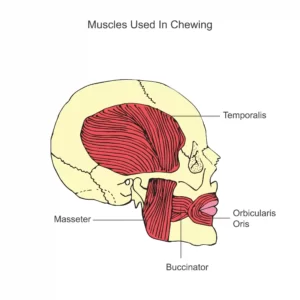
The masseter muscle is located on the side of your face. Its primary function is to help elevate the jaw, enabling you to chew your food. Excessive clenching of the jaw causes significant pressure on the masseter muscle and may strain the temporomandibular joint. This can lead to jaw pain and dysfunction, which is often diagnosed as temporomandibular joint disorder.
Signs that stress may be causing jaw disorders:
- Difficulty and pain when eating foods such as nuts
- One or two sides of jaw pain
- Clicking noises when opening and closing the mouth
- Episodes of locked jaws
How Stress Weakens the Immune System
Chronic stress doesn’t just affect your mood; it can also impact your immune system, making your body more vulnerable to infections, including those that affect the ears, nose, and throat. Stress triggers the release of cortisol, a hormone that helps the body respond to immediate challenges.
However, when stress becomes chronic, this ongoing cortisol release can weaken the immune system, leaving you more susceptible to illnesses like colds, sinus infections, or ear infections. So, while stress and anxiety can contribute to physical discomfort, they can also open the door to infections that complicate ENT health.
Coping Mechanisms for Stress-Related ENT Issues
If you’re noticing stress-related symptoms in your ears, nose, or throat, there are ways to help ease the strain. Relaxation techniques such as deep breathing exercises, meditation, or mindfulness can help reduce overall stress levels, lessening the tension that can impact your ENT system.
Regular physical activity is another great way to lower stress, known to also improve circulation, which may help alleviate symptoms like ear ringing or tightness in the throat.
Consult an ENT Specialist at Aglow ENT Centre - Same Day Appointments Are Available
If stress and anxiety lead to ongoing symptoms, like persistent ear ringing or throat discomfort, it’s worth consulting an ENT specialist. While stress might be the cause, an ENT professional can help assess your situation and provide a tailored treatment plan. Sometimes, addressing these physical symptoms can ease the mental strain, allowing you to better manage both aspects of your health.

Dr Ker Liang is the Medical Director of Aglow ENT Centre and an experienced ENT specialist who can help you manage your symptoms and provide tailored treatment plans. Contact us today to schedule a consultation and take the first step towards feeling better.