Understanding Nasal Polyps
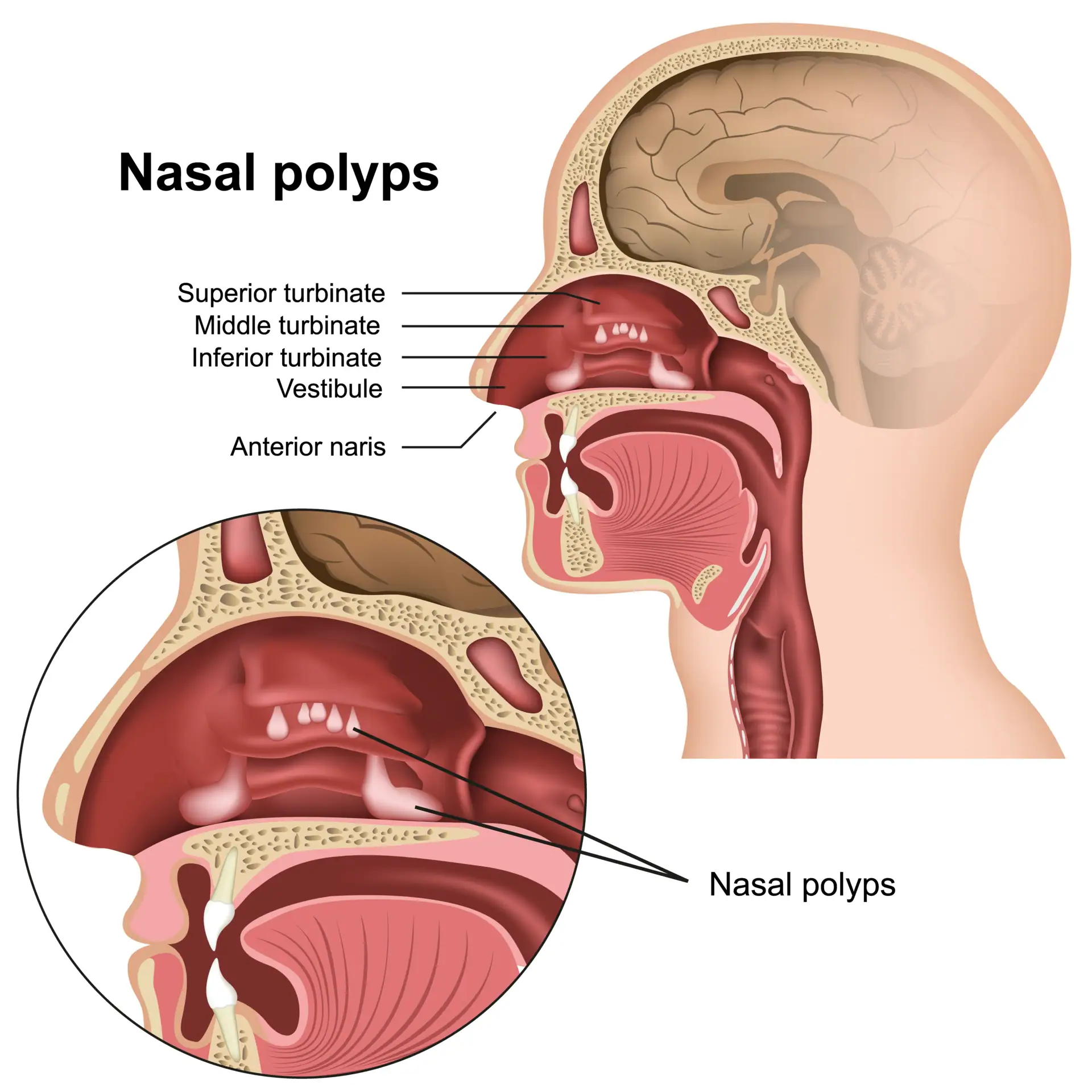
Nasal polyps are noncancerous (benign) growths that emerge from the mucosal membranes lining the nasal passages and sinuses. These soft, painless, and protrusions can lead to chronic inflammation, contributing to a range of respiratory issues, including nasal obstruction, reduced sense of smell, and recurrent infections.
Nasal polyps typically present as grape-like swellings that can occur in anyone but are most prevalent in adults with chronic sinusitis. They result from chronic inflammation due to conditions like asthma, recurrent infections, allergies, and certain immune disorders. While smaller polyps may not cause noticeable symptoms, larger growths can significantly obstruct the nasal passages, leading to breathing difficulties and other complications.
How are Nasal Polyps Formed?
Nasal polyps arise from the mucous membrane of the sinuses and nasal passages, areas rich in glands that produce mucus. This mucus traps and removes particles like dust, pollen, and bacteria, protecting the respiratory system. However, chronic inflammation can lead to changes in the mucous membrane, causing the formation of polyps.
Causes of Nasal Polyps

The specific cause of nasal polyps remains unclear, but several factors are associated with their development:
- Chronic Inflammation: Conditions that cause long-term inflammation in the sinuses or nasal passages, such as chronic sinusitis, can lead to polyp formation.
- Asthma and Allergic Conditions: Individuals with asthma, allergic rhinitis (hay fever), or sensitivity to nonsteroidal anti-inflammatory drugs (NSAIDs) are at an increased risk.
- Genetic Predisposition: There may be a genetic component, as nasal polyps tend to occur within families.
- Immune System Responses: Abnormal responses of the immune system to fungi or bacteria may contribute to chronic inflammation and polyp growth.
Common Symptoms of Nasal Polyps
Nasal polyps can lead to a range of symptoms, depending on their size and location. These symptoms can significantly compromise an individual’s quality of life, disrupting sleep, daily activities, and overall well-being.
- Nasal Congestion and Obstruction: A sensation of constant stuffiness or blockage in the nose, which can lead to difficulty breathing through the nose.
- Postnasal Drip: Excess mucus production may cause mucus to drip from the back of the nose into the throat.
- Reduced Sense of Smell and Taste: Large polyps can block the flow of air through the nasal passages, impairing these senses.
- Facial Pain or Pressure: Inflammation in the sinuses can cause discomfort around the face, particularly around the eyes, forehead, or cheeks.
- Recurrent Infections: Blocked sinus passages can lead to infections, manifesting as recurrent sinusitis.
How does a Nose Specialist in Singapore Diagnose Nasal Polyps?
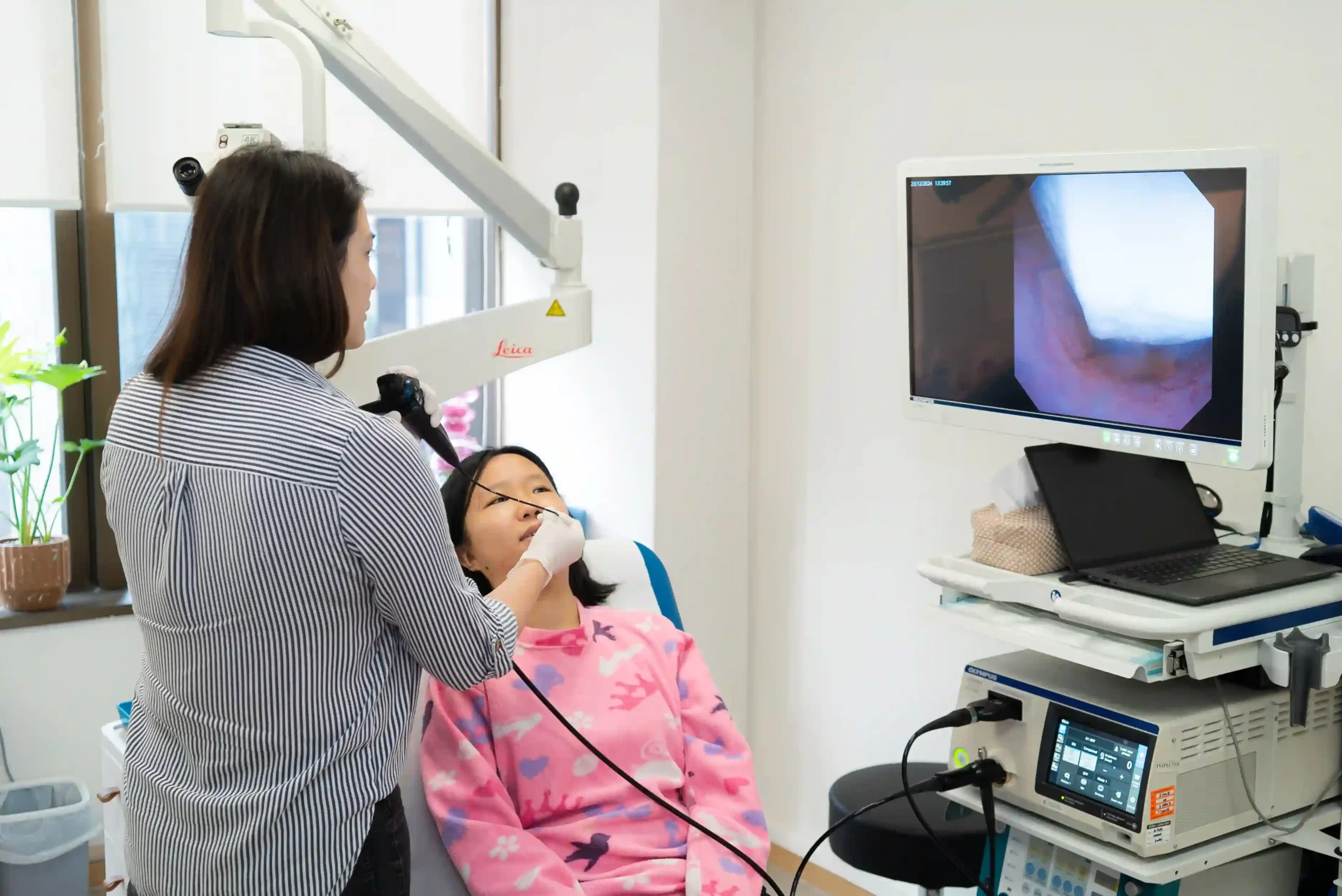
Diagnosis by a nose specialist typically involves a combination of a clinical examination and diagnostic tests:
- Nasal Endoscopy: A flexible tube with a camera (endoscope) is inserted into the nasal passages, providing a detailed view of the interior and allowing for direct observation of polyps.
- Imaging Studies: CT scans can offer comprehensive images of the sinuses and nasal passages, helping to determine the size and extent of polyp growth and evaluate the surrounding structures.
- Allergy Testing: Identifying underlying allergic conditions can be crucial in managing inflammation and preventing polyp recurrence.
- Cystic Fibrosis Testing: In children with nasal polyps, testing for cystic fibrosis is often recommended, as polyps can be an early sign of this condition.
What Are The Treatment Options to Remove Nasal Polyps?
Treatment for nasal polyps aims to reduce their size or eliminate them altogether, alleviating symptoms and improving nasal function:
- Corticosteroids: Nasal sprays, drops, or oral corticosteroids can help shrink polyps and reduce inflammation. Long-term use, however, must be carefully managed due to potential side effects.
- Surgery: In cases where polyps significantly obstruct the nasal passages or do not respond to medication, surgery may be necessary. Endoscopic sinus surgery is commonly used to remove polyps and clear sinus passages, improving drainage and airflow.
- Biologic Therapies: For patients with severe, persistent polyps, particularly those associated with conditions like severe asthma, biologic medications targeting specific immune pathways can be effective.
- Management of Underlying Conditions: Treating associated conditions such as asthma, allergies, or chronic sinusitis can prevent the recurrence of polyps and reduce the need for surgery.
Consult Dr Ker Liang, an Experienced ENT Specialist in Singapore for Nasal Polyps Treatment

Nasal polyps are a common condition associated with chronic inflammation of the nasal and sinus passages. While they are noncancerous and often asymptomatic, larger polyps can lead to significant discomfort and complications. A comprehensive approach to treatment, incorporating medications, potential surgical interventions, and the management of underlying conditions, can provide relief and improve quality of life. If you experience symptoms suggestive of nasal polyps, booking a consultation with a nose specialist is a crucial step toward accurate diagnosis and effective management.
For effective nasal polyps treatment, you can consult Dr Ker Liang, an experienced ear, nose and throat specialist in Singapore.
Frequently Asked Questions
How do I prevent nasal polyps?
Preventing the recurrence of nasal polyps involves managing chronic inflammation and treating underlying conditions.
Can nasal polyps be managed long term?
Regular follow-ups with an otolaryngologist, consistent use of prescribed treatments, and lifestyle modifications, such as avoiding nasal irritants and practising good nasal hygiene, are essential to long-term management.
Medical Teaching
Assistant Professor Ker Liang has a passion for teaching and is an Assistant Professor with NUS Yong Loo Lin School of Medicine (YLLSOM). As the NUS-NUH Otolaryngology Department Undergraduate Medical Director, Dr Ker Liang supervises the training of medical students from YLLSOM, NUS. She is actively involved
in the training of postgraduate junior doctors and residents in the Head and Neck Surgery department. She was conferred with an Undergraduate Teaching Award by the National University Health System in 2016 for her outstanding efforts as an Otolaryngology educator.
Medical Teaching
Assistant Professor Ker Liang has a passion for teaching and is an Assistant Professor with NUS Yong Loo Lin School of Medicine (YLLSOM). As the NUS-NUH Otolaryngology Department Undergraduate Medical Director, Dr Ker Liang supervises the training of medical students from YLLSOM, NUS. She is actively involved
in the training of postgraduate junior doctors and residents in the Head and Neck Surgery department. She was conferred with an Undergraduate Teaching Award by the National University Health System in 2016 for her outstanding efforts as an Otolaryngology educator.
Lorem ipsum dolor sit amet, consectetur adipiscing
Lorem ipsum dolor sit amet, consectetur adipiscing elit. Ut elit tellus, luctus nec ullamcorper mattis, pulvinar dapibus leo. Lorem ipsum dolor sit amet, consectetur adipiscing elit. Ut elit tellus, luctus nec ullamcorper mattis, pulvinar dapibus leo.
Lorem ipsum dolor sit amet, consectetur adipiscing
Lorem ipsum dolor sit amet, consectetur adipiscing elit. Ut elit tellus, luctus nec ullamcorper mattis, pulvinar dapibus leo. Lorem ipsum dolor sit amet, consectetur adipiscing elit. Ut elit tellus, luctus nec ullamcorper mattis, pulvinar dapibus leo.
Lorem ipsum dolor sit amet, consectetur adipiscing
Lorem ipsum dolor sit amet, consectetur adipiscing elit. Ut elit tellus, luctus nec ullamcorper mattis, pulvinar dapibus leo. Lorem ipsum dolor sit amet, consectetur adipiscing elit. Ut elit tellus, luctus nec ullamcorper mattis, pulvinar dapibus leo.
Lorem ipsum dolor sit amet, consectetur adipiscing
Lorem ipsum dolor sit amet, consectetur adipiscing elit. Ut elit tellus, luctus nec ullamcorper mattis, pulvinar dapibus leo. Lorem ipsum dolor sit amet, consectetur adipiscing elit. Ut elit tellus, luctus nec ullamcorper mattis, pulvinar dapibus leo.
Lorem ipsum dolor sit amet, consectetur adipiscing
Lorem ipsum dolor sit amet, consectetur adipiscing elit. Ut elit tellus, luctus nec ullamcorper mattis, pulvinar dapibus leo. Lorem ipsum dolor sit amet, consectetur adipiscing elit. Ut elit tellus, luctus nec ullamcorper mattis, pulvinar dapibus leo.