Understanding Eustachian Tube Dysfunction
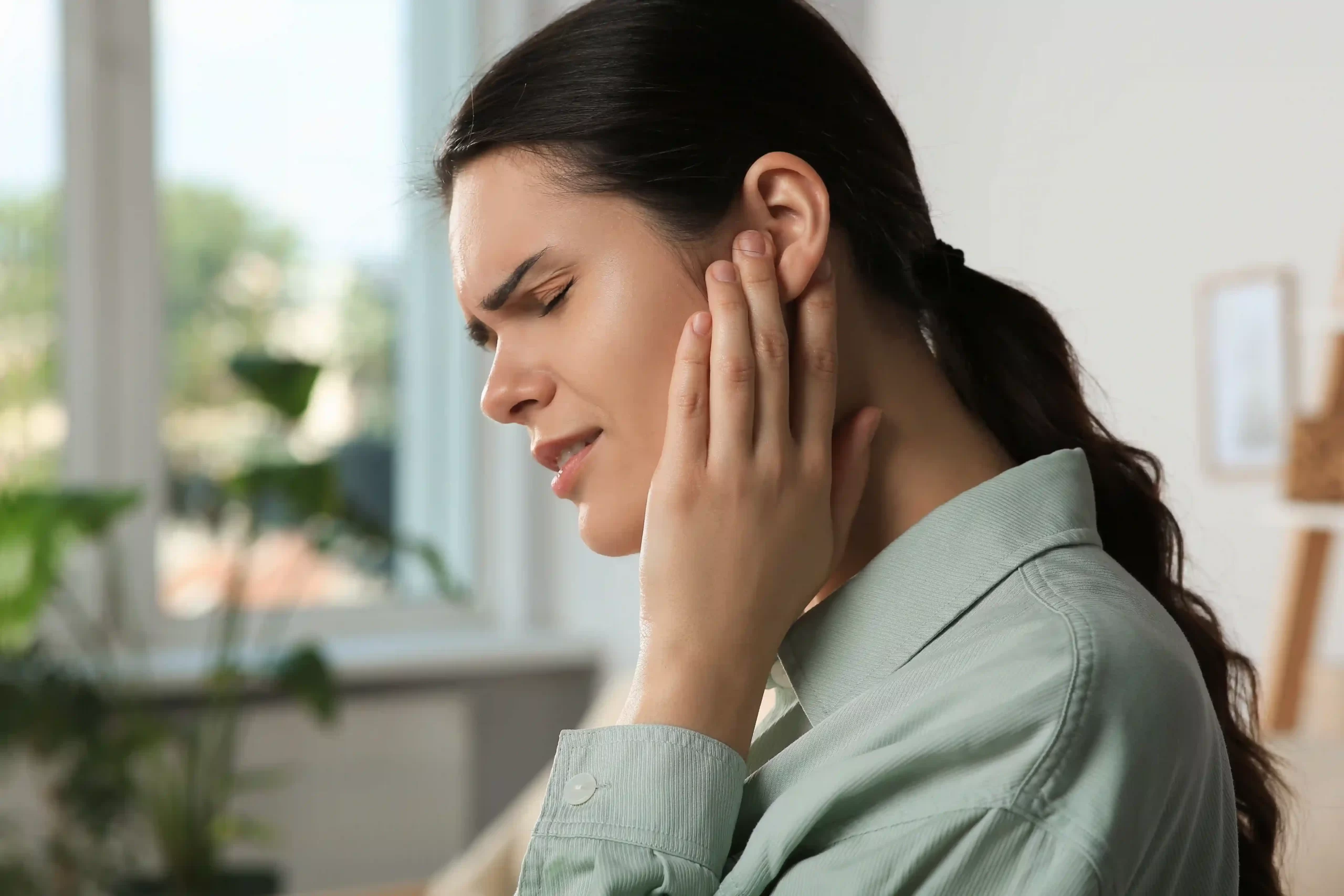
Eustachian tube dysfunction is a common condition in Singapore that affects the ears and can significantly impact one’s quality of life. Whether you experience a feeling of fullness in your ears (blocked ears), ear pain due to changes in environmental pressure, or hearing difficulties, understanding eustachian tube dysfunction is the first step to finding relief.
What is the Eustachian Tube?
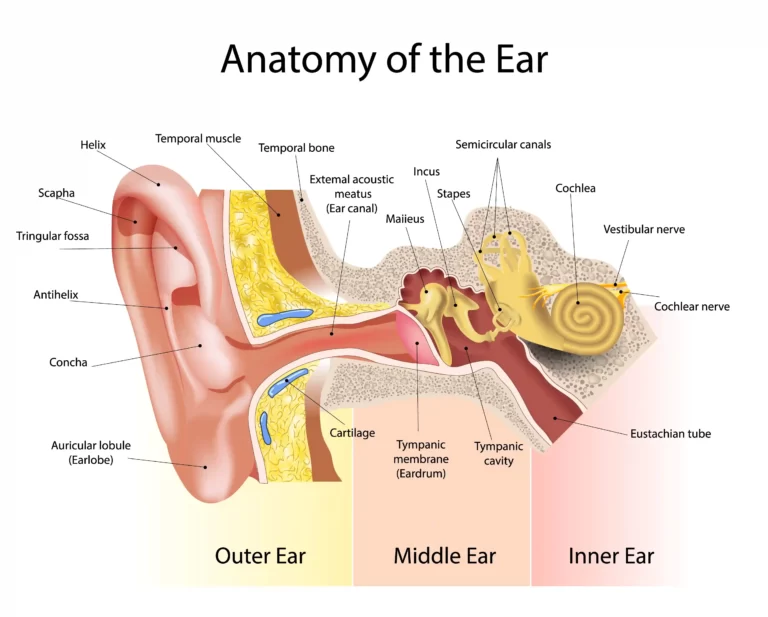
Made of bones and cartilage, the eustachian tube is a narrow tube that connects the middle ear to the upper part of the throat, just behind the nose (nasopharynx). Eustachian tubes are found on each side of the face. In adults, eustachian tubes are approximately 3.5cm long and inclined at about a 45-degree angle. Young children’s eustachian tubes are closer to horizontal and very narrow. Eustachian tubes help to:
- Balance the amount of pressure within the middle ear
- Drain fluid from the middle ear to prevent ear infections
- Protect your middle ear from bacteria and minimise the internal sounds your body causes
Eustachian tubes are usually closed and open intermittently when we chew, swallow, or yawn. When the eustachian tube opens, air passes through, equalising the pressure between the middle ear and the environment.
It can be opened intentionally by raising the pressure in your nasopharynx. This can be done by pinching your nose and blowing with the right amount of force, which usually results in a subtle ’pop’ sound in your ears. Adopting the proper technique and avoiding forceful attempts is imperative, as over-pressurising the middle ear can lead to a hole in the eardrum (ear perforation), hearing loss, and giddiness.
What is Eustachian Tube Dysfunction?
Eustachian tube dysfunction (ETD) happens when the eustachian tubes become blocked or fail to open or close correctly. This leads to an imbalance of air pressure between the middle ear and the outer ear. When the middle ear absorbs the excessive trapped air, it creates a pressure that causes the eardrums to be pulled inwards. ETD is also known to be one of the main causes of middle ear infections (otitis media). ETD can be categorised into three main types:
- Obstructive Eustachian Tube Dysfunction: The most common type of ETD, it occurs when the eustachian tube fails to open properly. Patients usually experience this when they are on airplanes, when they are scuba diving or if they have a common cold.
- Patulous Eustachian Tube Dysfunction: This occurs when the eustachian tube remains open. It is a rare form of ETD.
- Baro-Challenge-Induced Eustachian Tube Dysfunction: This occurs when the eustachian tube fails to open only during flights or scuba diving.
Causes of Eustachian Tube Dysfunction

Some of the common causes that can affect the function of the eustachian tubes are:
- Sinusitis: When our sinuses become inflamed or swollen, it results in excessive mucus production in the nasal passages and surrounding structures, including the areas around the eustachian tube opening. This causes the blockage and narrowing of the eustachian tube opening, interfering with the normal function of the eustachian tubes.
- Allergic Rhinitis: Allergies stimulate the nasal glands due to the overreaction to particles such as pollen, dust and mould. This can lead to swelling of the nasal lining, which also causes the blockage and narrowing of the eustachian tube.
- Barometric Pressure Changes: Being in high altitudes and scuba diving can create an imbalance of air pressure between the middle ear and the environment. If the eustachian tube is unable to equalise this pressure, it can become blocked or irritated.
- Enlarged Adenoids: Adenoids are located near the eustachian tube openings. If the tissue is enlarged, it can cause a blockage at the tube’s opening and prevent air from passing through the middle ear naturally.
- Nasal Tumours: Tumours in the nasal cavity or nasopharyngeal region can also obstruct the eustachian tubes.
- Benign Tumours: Non-cancerous growths such as nasal polyps and antrochoanal polyps can physically block and press against the eustachian tube opening.
- Malignant Tumours: Cancerous growth, such as nasopharyngeal cancer, can spread to the eustachian tube and compress it, leading to negative pressure in the middle ear.
Symptoms of Eustachian Tube Dysfunction
ETD can lead to a variety of symptoms. Some common ones are:
- Ear Pain: The difference in pressure and inflammation of the ear’s lining can cause ear pain on one or both sides of the ear.
- Blocked Ears / Muffled Hearing: When the eustachian tube is blocked, fluid may build up in the middle ear, leading to a sensation of fullness.
- Hearing Loss: Since sound waves are transmitted less effectively through a fluid-filled middle ear, patients may experience conductive hearing loss.
- Vertigo: Due to the imbalance of ear pressure, patients may have a false impression that their surroundings are spinning or moving.
- Tinnitus: Excess fluid in the middle ear dampens normal sound conduction, which can cause ringing, buzzing, or clicking sounds in the ears.
- Headaches: Patients may also experience eustachian tube dysfunction headache as the imbalance in ear pressure can cause discomfort around the temples or forehead.
Who is More Prone to Developing Eustachian Tube Dysfunction?
Certain individuals are more susceptible to developing ETD due to their environment or anatomical differences.
- Children: Their eustachian tubes are shorter, narrower and more horizontal.
- Individuals with Chronic Sinusitis and Allergic Rhinitis: Frequent inflammation of the nasal lining can impair the function of the eustachian tubes.
- Frequent Flyers or Divers: Being in an environment where there are frequent changes to ear pressure can increase the risk of ETD.
How does an Ear, Nose & Throat (ENT) Specialist in Singapore Diagnose Eustachian Tube Dysfunction?
As ETD can mimic similar symptoms to other ear conditions, patients should consult an experienced ear, nose and throat specialist in Singapore. Evaluation of eustachian tube dysfunction by an ENT doctor may involve:
- Physical examination
- Hearing tests
- Nasoendoscopy
- Otoscopy
- Microscopic ear examination
What are the Treatment Options Available for Eustachian Tube Dysfunction?
Based on the diagnosis and cause of ETD, your ENT doctor will suggest a treatment plan that may involve lifestyle changes and medications. However, if your condition is determined to be severe or is caused by other underlying conditions, surgical procedures may be recommended.
Surgical treatments include:
- Balloon Dilation of the Eustachian Tube
- Myringotomy and Grommet Tube Insertion
- Adenoidectomy
- Sinus Surgery
- Ablation of Nasal Nerve
Consult Dr Ker Liang, an Experienced ENT Specialist in Singapore for Eustachian Tube Dysfunction Treatment

If you or your loved ones are experiencing symptoms of eustachian tube dysfunction, it is imperative to consult an ENT specialist. You can book a same-day consultation with Dr Ker Liang, an experienced ENT specialist in Singapore and Medical Director of Aglow ENT Centre. With over 14 years of experience in otolaryngology, Dr Ker Liang specialises in treating various ear, nose, throat, head and neck conditions, including the treatment of eustachian tube dysfunction.
Aglow ENT Centre is conveniently located in Mount Elizabeth Orchard. We allow walk-ins and same-day appointments.
Frequently Asked Questions about Eustachian Tube Dysfunction
Will eustachian tube dysfunction go away on its own?
If ETD is caused by acute conditions such as the common cold, symptoms may resolve within a few days.
Can I sit on a plane if I have eustachian tube dysfunction?
It can be uncomfortable due to the pressure changes during take-off and landing. You may use antihistamines and nasal sprays to relieve symptoms if you have underlying conditions such as sinusitis or allergic rhinitis. You can also chew gum or sweets during the ascent/descent.
If your symptoms are severe, consult an ear, nose & throat specialist before travelling.
What can be mistaken for eustachian tube dysfunction?
Several conditions can mimic symptoms of eustachian tube dysfunction, such as temporomandibular joint disorders, ear infections, and excessive earwax.
How do I sleep with eustachian tube dysfunction?
Elevating your head and sleeping on the non-affected ear may help reduce the pain.
Do nasal rinses help eustachian tube dysfunction?
If your ETD is caused by sinusitis or allergic rhinitis, regular saline nasal rinses can help relieve nasal inflammation, which promotes better eustachian tube function.
Medical Teaching
Assistant Professor Ker Liang has a passion for teaching and is an Assistant Professor with NUS Yong Loo Lin School of Medicine (YLLSOM). As the NUS-NUH Otolaryngology Department Undergraduate Medical Director, Dr Ker Liang supervises the training of medical students from YLLSOM, NUS. She is actively involved
in the training of postgraduate junior doctors and residents in the Head and Neck Surgery department. She was conferred with an Undergraduate Teaching Award by the National University Health System in 2016 for her outstanding efforts as an Otolaryngology educator.
Medical Teaching
Assistant Professor Ker Liang has a passion for teaching and is an Assistant Professor with NUS Yong Loo Lin School of Medicine (YLLSOM). As the NUS-NUH Otolaryngology Department Undergraduate Medical Director, Dr Ker Liang supervises the training of medical students from YLLSOM, NUS. She is actively involved
in the training of postgraduate junior doctors and residents in the Head and Neck Surgery department. She was conferred with an Undergraduate Teaching Award by the National University Health System in 2016 for her outstanding efforts as an Otolaryngology educator.
Lorem ipsum dolor sit amet, consectetur adipiscing
Lorem ipsum dolor sit amet, consectetur adipiscing elit. Ut elit tellus, luctus nec ullamcorper mattis, pulvinar dapibus leo. Lorem ipsum dolor sit amet, consectetur adipiscing elit. Ut elit tellus, luctus nec ullamcorper mattis, pulvinar dapibus leo.
Lorem ipsum dolor sit amet, consectetur adipiscing
Lorem ipsum dolor sit amet, consectetur adipiscing elit. Ut elit tellus, luctus nec ullamcorper mattis, pulvinar dapibus leo. Lorem ipsum dolor sit amet, consectetur adipiscing elit. Ut elit tellus, luctus nec ullamcorper mattis, pulvinar dapibus leo.
Lorem ipsum dolor sit amet, consectetur adipiscing
Lorem ipsum dolor sit amet, consectetur adipiscing elit. Ut elit tellus, luctus nec ullamcorper mattis, pulvinar dapibus leo. Lorem ipsum dolor sit amet, consectetur adipiscing elit. Ut elit tellus, luctus nec ullamcorper mattis, pulvinar dapibus leo.
Lorem ipsum dolor sit amet, consectetur adipiscing
Lorem ipsum dolor sit amet, consectetur adipiscing elit. Ut elit tellus, luctus nec ullamcorper mattis, pulvinar dapibus leo. Lorem ipsum dolor sit amet, consectetur adipiscing elit. Ut elit tellus, luctus nec ullamcorper mattis, pulvinar dapibus leo.
Lorem ipsum dolor sit amet, consectetur adipiscing
Lorem ipsum dolor sit amet, consectetur adipiscing elit. Ut elit tellus, luctus nec ullamcorper mattis, pulvinar dapibus leo. Lorem ipsum dolor sit amet, consectetur adipiscing elit. Ut elit tellus, luctus nec ullamcorper mattis, pulvinar dapibus leo.