Understanding Swollen/Enlarged Lymph Nodes in the Neck

Are you wondering, “What lymph nodes in the neck are, and why do they swell?” Our guide will answer these questions and also guide you through the available treatment options.
Lymph nodes are bean-sized structures that exist in numerous parts of the body. They aid in fighting off foreign particles. For example, they filter out damaged cells and germs. When lymph nodes in the neck swell, this is known as cervical (neck) lymphadenopathy.
While often a response to infection or inflammation, cervical lymphadenopathy can sometimes signal more serious conditions, including autoimmune diseases or other malignancies such as cancer lymph nodes in the neck. Understanding its causes, symptoms, diagnosis, and treatment is vital for effective management and overall health.
What are Enlarged Lymph Nodes?

Enlarged/swollen lymph nodes in the neck, medically known as cervical lymphadenopathy, is a condition where the lymph nodes in the cervical area (the neck) become swollen or enlarged. Lymph nodes are small, bean-shaped glands throughout the body (in the neck, under your chin, in your armpits and in your groin) that play a crucial role in the immune system. They act as filters for foreign particles and cancer cells, and they are sites where immune responses are initiated.
When an infection occurs due to bacteria or a virus, lymph nodes can become swollen, often signalling the onset of illness, such as a cold. In these cases, you may feel a tender bump or lump in the neck, as swollen lymph nodes indicate your immune system is fighting off foreign particles in a process known as lymphadenopathy.
In some instances, lymph swelling in the neck may signal the presence of cancer.
Symptoms of Swollen Lymph Nodes
The primary symptom of cervical lymphadenopathy is the noticeable swelling (larger than 1cm) of the lymph nodes in the neck. Other symptoms may accompany the swelling, depending on the underlying cause:
- Tenderness and Pain: Swollen lymph nodes under the jaw, on the side, or at the back of the neck may feel tender or painful to the touch.
- Symptoms of Infection: Fever, sore throat, runny nose, or other signs of infection may be present if the lymphadenopathy is due to an infectious cause.
- Night Sweats and Weight Loss: These symptoms can accompany lymphadenopathy in more serious conditions, such as cancers or systemic infections.
- Localised Symptoms: Depending on the cause, there may be symptoms related to specific infections or diseases, such as a rash in lupus or joint pain in rheumatoid arthritis.
It is important to note that lumps in the neck area could be a symptom of various ENT (ear, nose and throat) conditions and may not necessarily be related to the lymph nodes. Some conditions that may also present with neck lumps include throat cancer or thyroid nodules. To determine the exact cause of lumps in the neck area, it is recommended to visit an ENT head and neck specialist for evaluation and an accurate diagnosis.
Symptoms of Cancer Lymph Nodes in the Neck
While less serious conditions such as strep throat and chicken pox may result in swollen lymph nodes, on rare occasions, it could also signal that there are cancer cells in the body. If a cancer is the cause of the swollen lymph nodes, that is because the cancer cells have spread to another part of your body. Once a tumor forms in the body, cancer cells can break loose from it and travel to different organs through the bloodstream or the lymph system.
The lymph node levels in the neck have long been categorised into six primary anatomical groups to support accurate staging and treatment planning for head and neck cancers. While various medical specialities may define these boundaries slightly differently, the framework below represents a consolidated, radiologically practical overview of each neck lymph node level.
- Level I: Submental and submandibular nodes.
- Level II-IV: Upper, middle, and lower internal jugular chains.
- Level V: Nodes in the posterior triangle.
- Level VI: Central compartment nodes around the thyroid, trachea, and larynx.
Unfortunately, it isn’t possible to distinguish cancer lymph nodes in the neck from benign ones based on appearance or touch alone. This is why it is important to consult a qualified ENT specialist in Singapore, such as Dr Ker Liang, for a thorough diagnosis and treatment solutions.
Causes of Enlarged Lymph Nodes
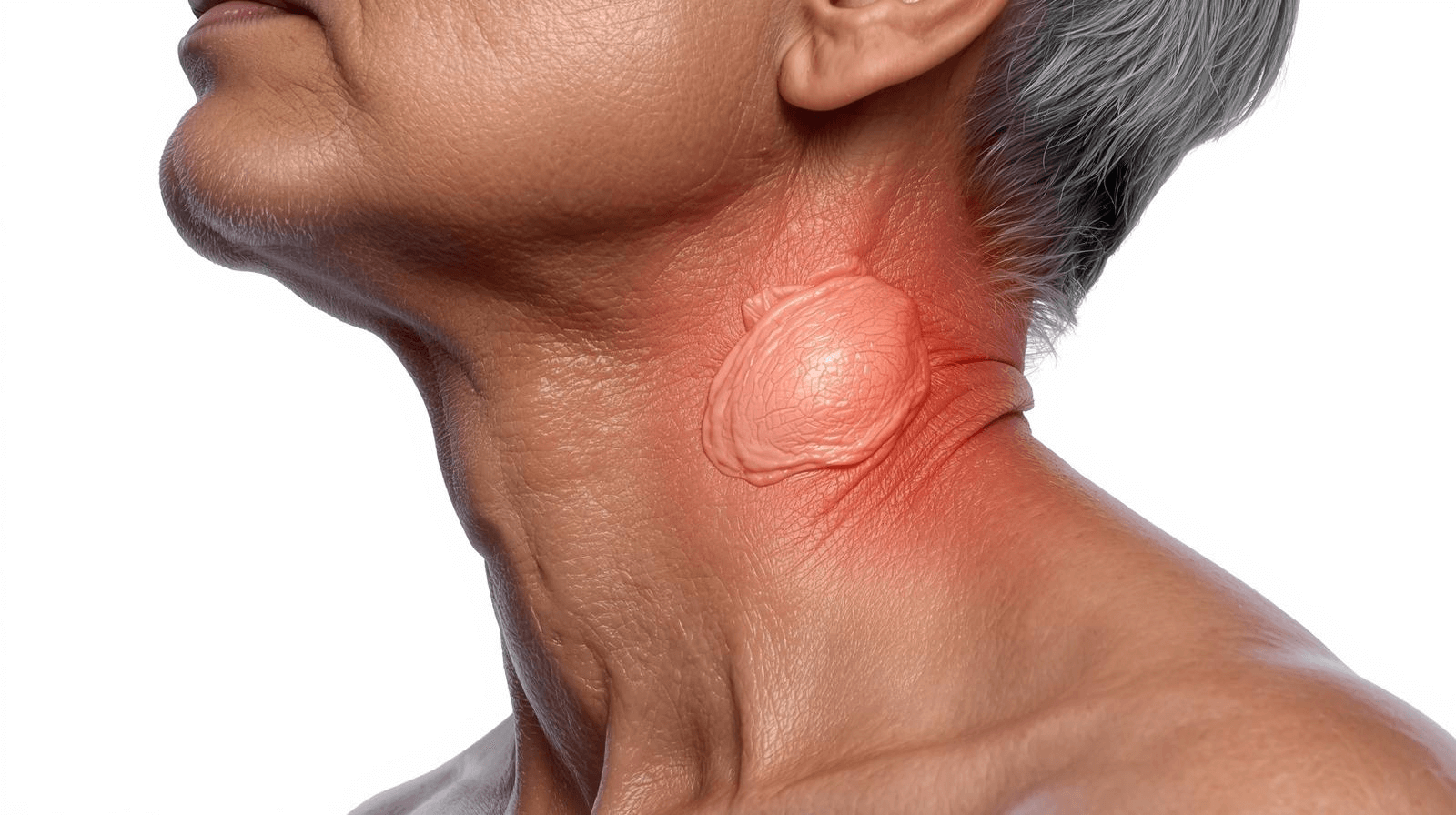
Cervical lymphadenopathy can result from various causes, ranging from benign and self-limiting conditions to more serious health issues:
- Infections: The most common cause, including viral infections like the common cold, flu, mononucleosis, and bacterial infections such as strep throat, tuberculosis, or infections caused by infected wounds in the head and neck area.
- Immune System Disorders: In individuals with autoimmune diseases, the body mistakes healthy cells as foreign particles and activates the immune system. Conditions such as rheumatoid arthritis, lupus, and HIV can cause swollen lymph nodes as the immune system is activated.
- Cancers: Lymphomas (cancer of the lymphatic system) and metastasis from cancers located in other parts of the body (especially head and neck cancers) can present with cervical lymphadenopathy. Common cancers that could result in enlarged lymph nodes include:
- Tongue and oral cancers
- Thyroid cancers
- Nasopharyngeal cancer
- Other Causes: Rarely, certain medications and allergic reactions can lead to swollen lymph nodes.
Who is More Prone to Developing Enlarged Lymph Nodes?
Enlarged lymph nodes can affect children and adults of all ages. The fact that an individual experiences temporarily enlarged lymph nodes as they are about to fall sick is actually a good sign of the body fighting off infections.
Given that enlarged nodes are commonly linked to infections, risk factors that may contribute to their presence include:
- Older age: Ageing generally increases the risk of infections, immune system disorders, or cancer.
- Weakened immune system: Those with a compromised immune system are more susceptible to infections, which can trigger the enlargement of lymph nodes.
Since swelling is usually temporary and generally harmless, enlarged lymph nodes are rarely a serious cause for concern. However, a persistently enlarged node could indicate a more serious health issue, such as an autoimmune disorder or cancer. In these cases, a visit to an ENT specialist is recommended for a proper diagnosis and timely treatment.
How does an ENT Head and Neck Surgeon in Singapore Diagnose Enlarged Lymph Nodes?
If you are wondering how are cancerous lymph nodes in the neck are diagnosed and treated, at Aglow ENT Centre, the diagnosis of cervical lymphadenopathy typically involves a comprehensive approach, including:
- Review of Medical History: A detailed history of the symptoms, recent infections, and travel history for a comprehensive understanding of the patient’s condition.
- Physical Examination: A physical examination focusing on the size, texture, and tenderness of the lymph nodes. This may include examining the oral cavity and throat to check for other possible symptoms indicative of ENT conditions.
- Blood Tests: To check for infections, inflammation, and markers that might indicate cancer or an autoimmune disorder.
- Imaging Tests: Ultrasound, CT scans, or MRI can provide detailed images of the lymph nodes and surrounding structures. Imaging may also involve nasoendoscopy which is to use a flexible tube with a camera attached to visualise the inside of the oral cavity.
- Biopsy: In cases where malignancy is suspected, a biopsy of the lymph node may be performed to obtain a definitive diagnosis. The doctor may perform a fine needle aspiration cytology to obtain cells of the lymph nodes for examination, or perform a surgical excision of the biopsy for histological confirmation.
What are the Treatment Options Available for Enlarged Lymph Nodes?
In most cases, enlarged lymph nodes resolve on their own once the underlying infection is treated. However, treatment for cervical lymphadenopathy varies widely depending on its cause:
- Infections: Antibiotics or antiviral medications may be prescribed if a specific infection is identified. In many cases, lymphadenopathy due to viral infections will resolve on its own as the infection clears.
- Autoimmune Disorders: Treatment may involve medications to suppress the immune system, such as corticosteroids or disease-modifying antirheumatic drugs (DMARDs).
- Cancers: Treatment options may include surgery, radiation therapy, chemotherapy, or targeted therapies, depending on the type and stage of cancer.
In rare cases, such as cancer, lymph nodes in the neck, a removal procedure may be necessary. This is only considered when a lymph node is severely damaged or malignant and should be performed by an experienced ENT head and neck surgeon.
Although completely eliminating the risk of cervical lymphadenopathy is not possible, for those with frequent episodes of enlarged lymph nodes, practising the following tips may serve as a good preventive measure:
- Good Hygiene: Regular handwashing and avoiding close contact with sick individuals can help prevent infections that may lead to lymphadenopathy.
- Timely Medical Care: Seeking medical attention for infections or other ENT conditions before they become severe can prevent complications, including swollen lymph nodes.
- Healthy Lifestyle: A balanced diet, regular exercise, and avoiding tobacco and excessive alcohol can support the immune system and overall health.
- Routine Vaccination: Getting your vaccinations up to date as recommended by your doctor can prevent you from falling sick.
When should you see an ENT Head and Neck Surgeon in Singapore for Enlarged Lymph Nodes?
Cervical lymphadenopathy is a common condition that can arise from a variety of causes, both benign and sinister. Recognising the symptoms and understanding the potential underlying causes are crucial steps in seeking appropriate care. Early diagnosis and treatment are key to managing the condition effectively, especially in cases where lymphadenopathy is a sign of a more significant underlying health issue.
Key symptoms that warrant further examination by an ENT specialist include:
- Painful lymph nodes in the neck that persist
- Persistent swelling of lymph nodes without an obvious cause (e.g., a cold).
- Swelling that persists for more than 2–4 weeks without improvement, even after prescribed antibiotics.
- Nodes that feel unusually hard to the touch.
- Recurring high fevers, drenching night sweats, and unexplained weight loss.
If you experience any of the above concerning symptoms, it is important to consult an ENT head and neck surgeon in Singapore for a thorough evaluation and appropriate treatment.
You can schedule a consultation with Dr Ker Liang, an experienced ENT head and neck surgeon at Aglow ENT Centre. With more than 14 years of experience in otolaryngology, Dr Ker Liang specialises in treating various head and neck conditions, including the treatment of enlarged lymph nodes as well as thyroid lumps and nodules.
Frequently Asked Questions (FAQs)
Could a lump on the side of the neck indicate something serious?
Yes. A neck lump may be due to infection, inflammation, or, in some cases, cancers of the head, neck, or lymph nodes. Persistent or enlarging lumps should be assessed by an ENT specialist promptly.
How are the lymph node levels in the neck classified for diagnosis and treatment?
They are grouped into Levels I-VI based on anatomical regions of the neck. This classification helps clinicians standardise diagnosis, staging, and treatment planning for head and neck conditions, including cancers.
Can lymph nodes swell from stress?
Stress does not directly cause lymph nodes to swell but it may compromise your immune system, which enlarges the node.
When should I worry about the size of my lymph nodes?
A lymph node that is larger than 1 cm needs to be evaluated by a specialist.
Can swollen lymph nodes go away naturally?
In most cases, yes, especially if enlarged lymph nodes are caused by a temporary infection.
Should I immediately see a doctor after I discover a lump on my neck?
Not necessarily. However, patients are advised to see a specialist if their lump persists for more than 2 weeks.
Can lymph nodes grow back after surgery?
No, lymph nodes cannot grow back after surgery.
Can swollen lymph nodes in the neck be a sign of cancer?
There is a slight possibility that the swollen lymph nodes in your neck could be indicative of cancer (lymphoma). However, it is impossible to distinguish between benign swollen lymph nodes and cancer lymph nodes in the neck simply by how they feel.
If you suspect that your swollen lymph nodes could be a sign of cancer, please book an appointment with our ENT specialist in Singapore for tailored treatment solutions.
When should I go see a doctor for swollen lymph nodes?
Typically, swollen lymph nodes go away on their own after two or three weeks. Swollen lymph nodes can be a cause for concern if:
- It lasts for more than two or three weeks
- It feels rubbery and hard
- It is abnormally large
- You experience night sweats, abdominal pain, unprecedented weight loss, or a high fever.